Securing a high-end property goes beyond basic alarms. It involves seamless integration with smart tech that protects valuables while blending into elegant designs. For owners of sprawling estates or urban penthouses, these systems offer real-time monitoring, AI-driven alerts, and customization to fit unique layouts. They reduce risks like burglaries, which target luxury homes more often due to visible wealth. Studies show homes with advanced security sell faster and command higher prices, adding peace of mind for frequent travelers.
Choosing the right setup means prioritizing features like 4K cameras, biometric access, and app controls. Brands like Vivint or ADT excel here, providing professional installation that avoids disrupting interiors. Expect to invest $1,000 to $5,000 upfront, with monitoring fees around $30-60 monthly. This shields against threats while enhancing daily life—think automated locks for staff or flood sensors in wine cellars.
Real example: A Malibu residence equipped with integrated cameras deterred a potential intruder, alerting authorities in seconds. Tips include assessing coverage for large grounds and ensuring compatibility with existing smart devices. Avoid skimping on professional setup; DIY options often fall short for complex properties.
This roundup highlights seven standout systems based on reliability, features, and user feedback. Each suits luxury needs, from expansive coverage to discreet aesthetics. Whether safeguarding art collections or family privacy, these picks deliver robust defense without compromising style.
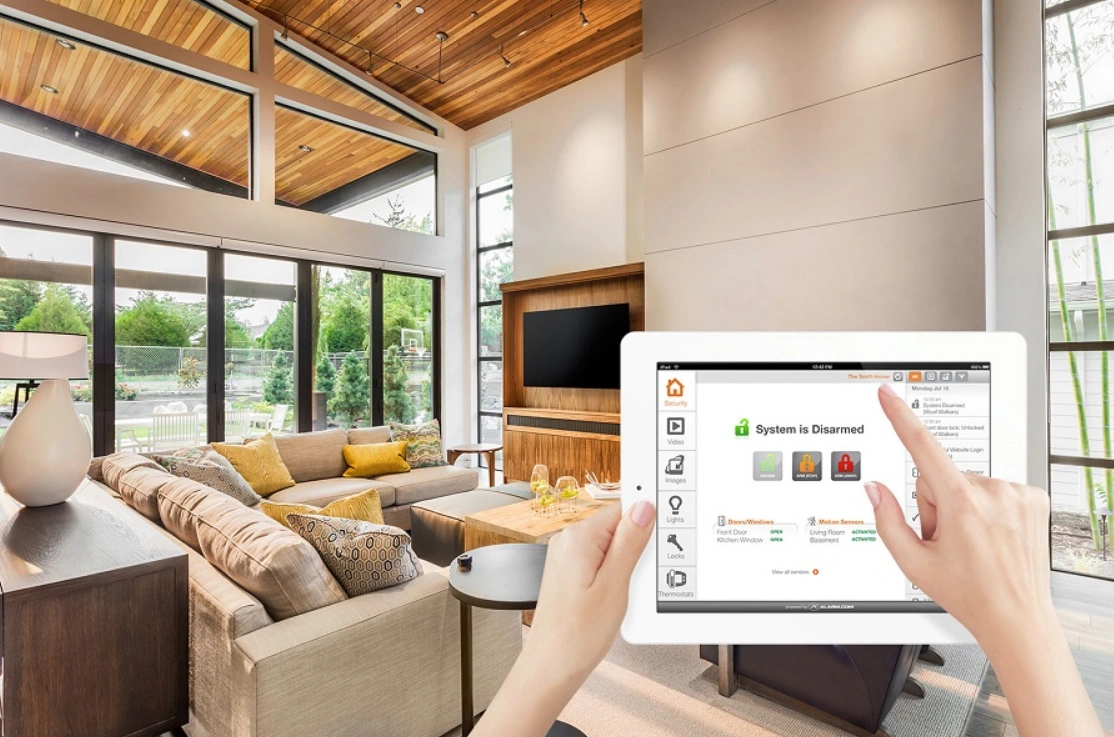
Key Features to Consider in Luxury Home Security
High-end properties demand systems that handle vast spaces without false alarms. Look for AI that distinguishes pets from intruders, reducing needless notifications. Integration with voice assistants like Alexa adds convenience for controlling lights or locks remotely.
Scalability matters—opt for expandable sensor networks covering pools or guest houses. Professional monitoring ensures 24/7 response, crucial for remote owners. Biometric options, such as fingerprint scanners, enhance entry points without keys.
Example: In a Texas ranch, motion detectors with wide-angle views prevented wildlife triggers. Tip: Test battery life; premium models last up to two years. Factor in privacy—choose encrypted feeds to protect against hacks.
These elements elevate basic protection to tailored fortification, aligning with luxury lifestyles.
Top 7 Smart Security Systems Reviewed
Vivint: Customizable High-Tech Defense
Vivint shines with pro installation and smart home ties. Its cameras offer 1080p video with night vision, ideal for estates. App controls let you arm systems from anywhere.
Users praise seamless integration with thermostats. A New York penthouse owner noted quick alerts during a storm. Drawback: Higher costs, but worth it for luxury scalability.
Tip: Pair with outdoor spotlights for deterrence.

ADT: Reliable Professional Monitoring
ADT provides extensive coverage with cellular backups. Features include glass-break sensors and panic buttons, perfect for large homes.
It’s favored for rapid response times. One client in Florida averted a break-in via live video feeds. Con: Contracts can lock you in.
Insight: Customize with environmental sensors for flood-prone areas.
SimpliSafe: Affordable Yet Robust Option
SimpliSafe offers wireless setups with HD cameras and entry sensors. No contracts appeal to flexible owners.
A Hamptons user highlighted easy expansion. Tip: Use the base station’s siren for immediate scares.
It’s budget-friendly but lacks some advanced AI.
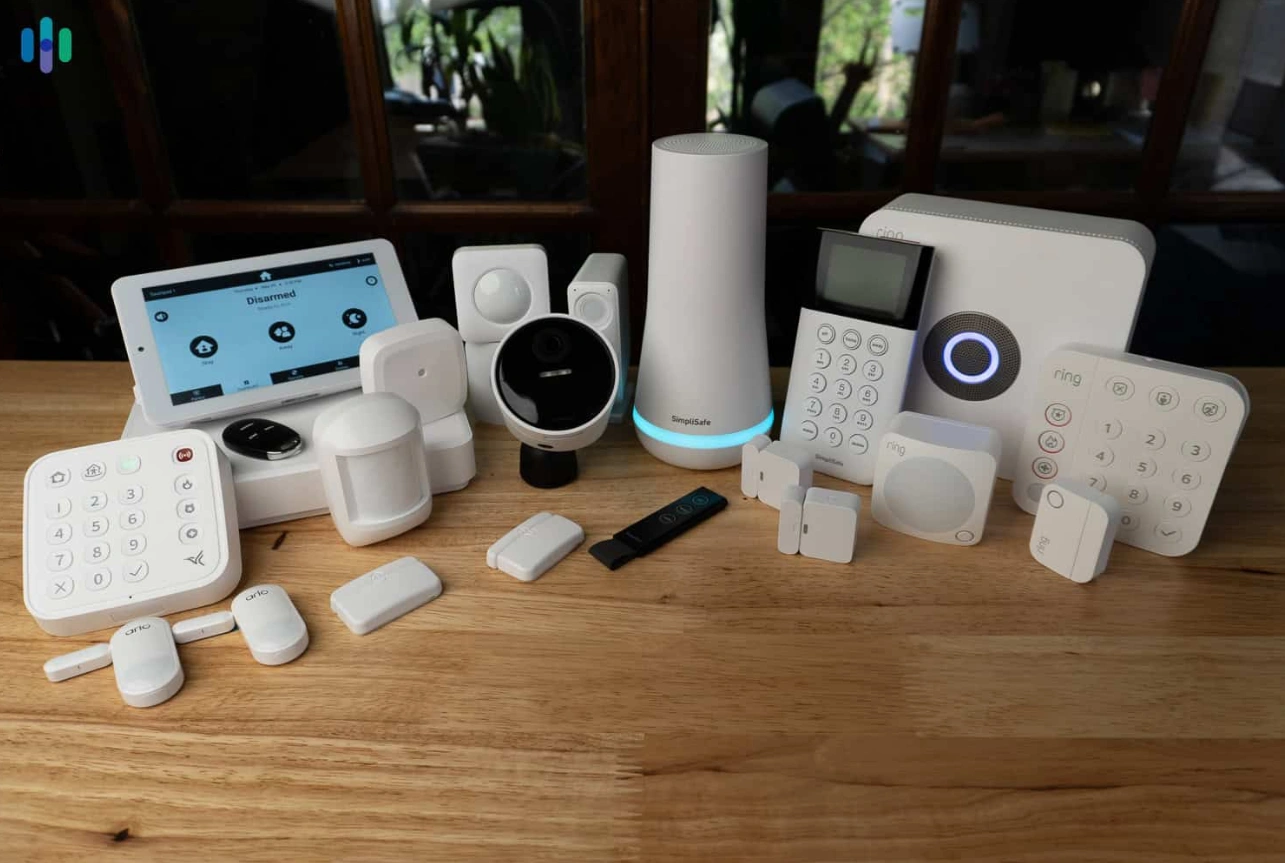
Ring: Seamless Video Integration
Ring excels in doorbell cams with two-way audio. It integrates with Amazon ecosystems for voice commands.
Popular for neighborhood sharing features. Example: Detected package theft in real time.
Drawback: Subscription needed for recordings.
Arlo: Advanced Camera Focus
Arlo’s 4K cameras provide spotlight deterrence and color night vision.
Suits outdoor-heavy properties. A Colorado estate benefited from weatherproof designs.
Tip: Set activity zones to ignore traffic.
Frontpoint: DIY with Pro Support
Frontpoint combines self-setup with monitoring. Crash-and-smash protection keeps alarms active.
Users like the geofencing for auto-arming.
Con: Limited smart home ties.
Google Nest: Intuitive Smart Ecosystem
Nest offers AI facial recognition in cams. Integrates with Google Home for unified control.
A San Francisco home used it for smoke detection too.
Tip: Leverage history timelines for reviews.
Pros and Cons of Smart Security Systems for Luxury Homes
- Pros:
- AI reduces false alerts, saving time in large spaces.
- Remote access via apps ensures control during travel.
- Integration with lighting boosts deterrence without extra effort.
- Professional monitoring provides rapid emergency response.
- Cons:
- High initial costs strain budgets for expansive setups.
- Dependency on Wi-Fi risks outages in remote areas.
- Privacy concerns from constant video feeds.
- Complex installations may disrupt home aesthetics.
Alternatives and Quick Comparisons
Traditional wired alarms offer reliability without subscriptions but lack smart features—less flexible than these systems for dynamic luxury needs.
Custom solutions like Crestron focus on automation over security, providing broader control but at steeper prices compared to versatile picks like Vivint.
Final Thoughts and Expert Recommendations
These seven systems fortify luxury homes effectively. Start with Vivint or ADT for comprehensive protection. Assess your property’s size and tech setup before choosing. Invest in professional audits for optimal placement. This ensures lasting security and value.
FAQ
How do AI features in these systems minimize disturbances for pet owners in luxury estates? They differentiate animal movements, preventing alerts while maintaining vigilance over grounds.
What integration tip maximizes security in homes with extensive smart lighting? Link systems to automate lights on motion, creating illusions of occupancy for added deterrence.
Can these setups handle environmental threats like floods in high-value basements? Yes, sensors detect water early, alerting you to protect art or wine collections promptly.
What’s a overlooked factor when scaling systems for multi-building properties? Ensure mesh networks for signal strength, avoiding dead zones in guest houses or pools.