
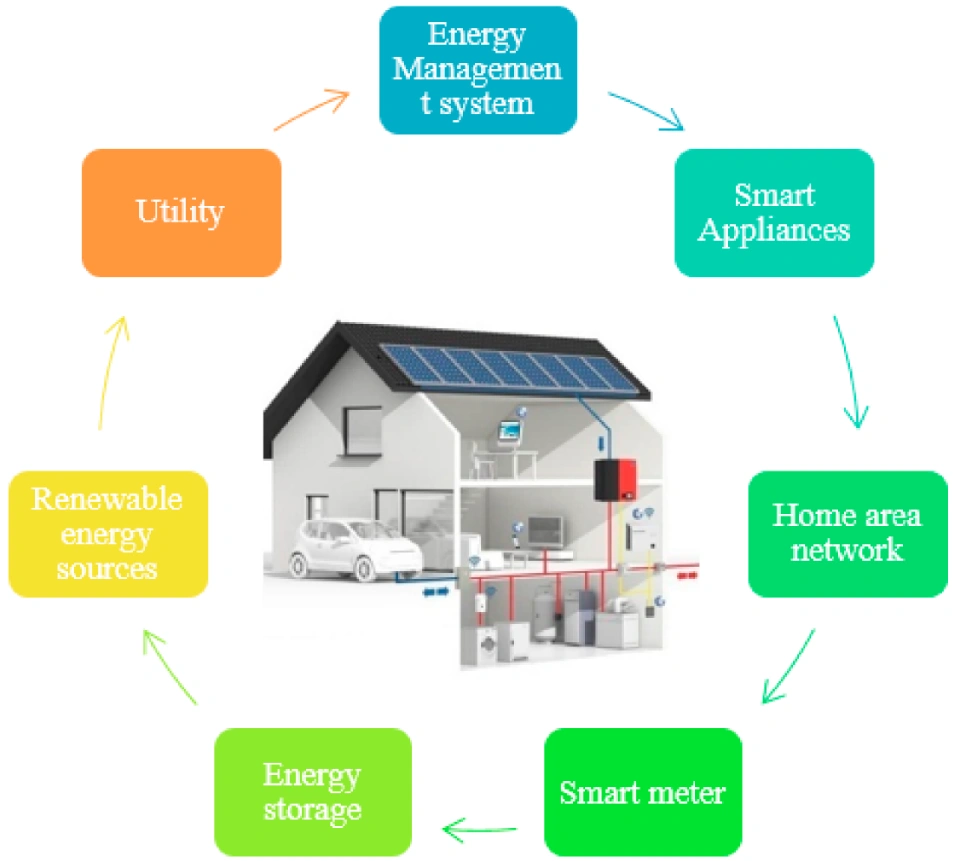
Smart energy systems empower homeowners to slash utility bills while minimizing environmental impact. These tools monitor usage in real time, automate adjustments, and integrate renewables like solar panels. For eco-conscious families, this means lower carbon emissions without sacrificing comfort. Imagine a setup that dims lights during peak hours or shifts appliance runs to off-peak times, saving 10-20% on electricity annually.
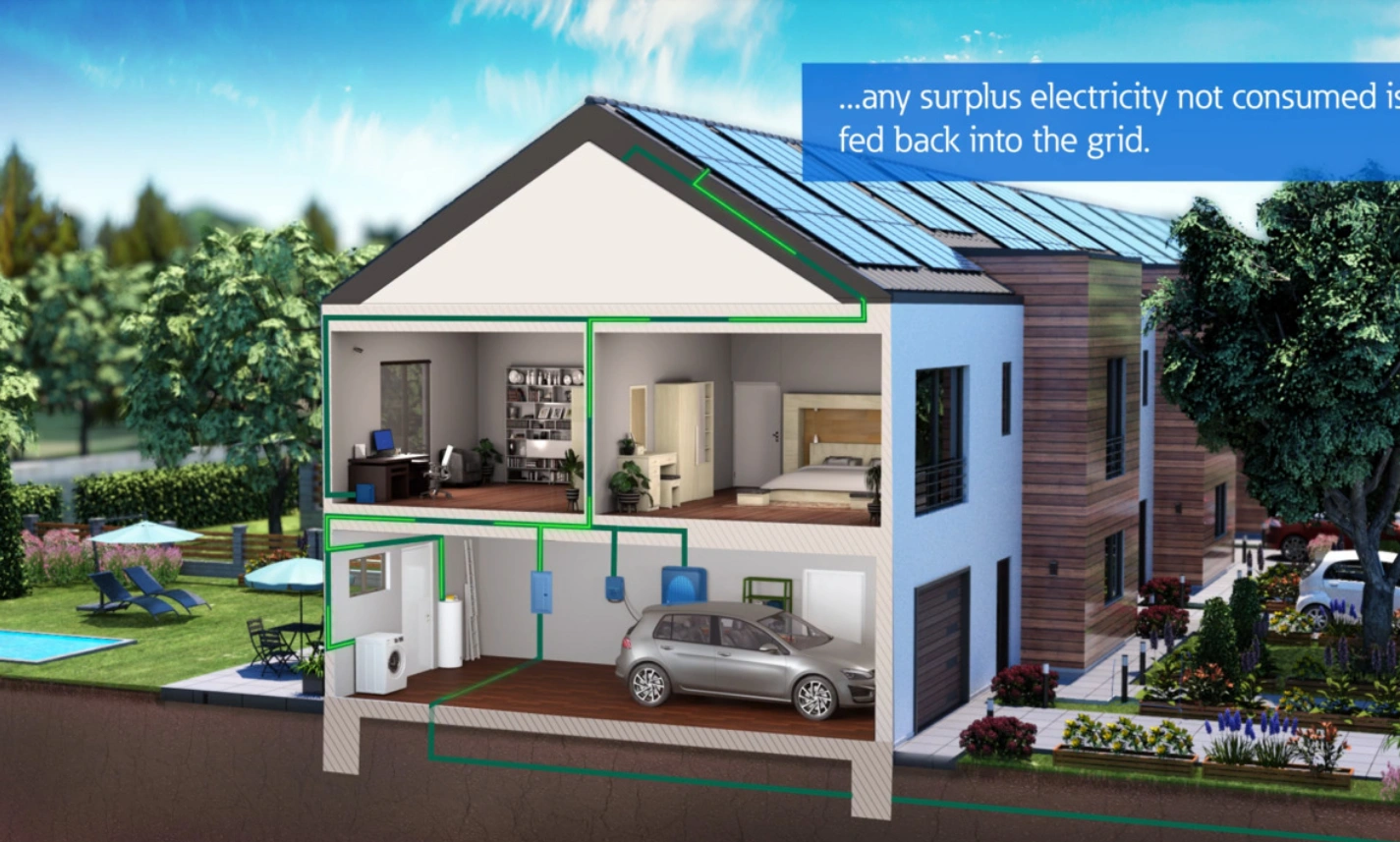
Core components include monitors that track whole-home consumption and thermostats that learn habits. Systems like these pair with apps for remote control, alerting you to wasteful patterns. In green homes, they optimize battery storage from solar setups, ensuring excess power feeds back to the grid efficiently. One homeowner reported dropping bills by $500 yearly after installing a basic monitor.
Integration matters too. Compatible with voice assistants, they streamline daily routines. For new builds, embedding these from the start enhances sustainability ratings. Investors see value—properties with smart energy tech sell faster at premiums.
Challenges involve upfront costs, around $200-500 for starters. Yet, rebates and long-term savings make them worthwhile. Focus on certified options for reliability. This guide spotlights leading systems based on performance and user reviews. You’ll get insights into features that suit various home sizes. Whether retrofitting an older house or designing a net-zero space, these picks deliver practical green living. Expect actionable tips to maximize benefits, turning your home into an efficient powerhouse.
Insert image of a dashboard showing real-time energy usage in a green home here.
Sense: Comprehensive Monitoring for Everyday Savings
Sense stands out for its AI-driven insights. Installed in the electrical panel, it detects device patterns without individual plugs. This whole-home view identifies vampires like standby TVs, suggesting fixes via app.
Real example: A family cut usage 15% by spotting an inefficient fridge. It integrates solar tracking, showing production versus consumption. Alerts notify high draws, preventing surprises.
Tips: Pair with smart plugs for granular control. App dashboards break down costs by appliance, aiding budgeting. Works with Alexa or Google for voice queries.
For green homes, it supports battery optimization, prioritizing renewable sources. Setup takes pros about an hour. Costs around $300, with no subscriptions needed for basics.
Limitations? It may misidentify similar devices initially, but improves over time. Ideal for mid-sized homes seeking passive efficiency.
Emporia Vue: Affordable Circuit-Level Tracking
Emporia Vue excels in detail. Clamps on circuits provide per-branch data, perfect for pinpointing issues. Its app visualizes trends, exporting reports for analysis.
One user optimized HVAC cycles, saving 12% on cooling. Supports up to 16 circuits in base models, expandable for larger setups.
Practical advice: Use for solar integration—monitor inverter output directly. Set custom alerts for thresholds. Compatible with IFTTT for automations.
In eco homes, it aids load balancing with EVs or batteries. DIY install suits handy owners. Priced under $150, it’s budget-friendly.
Drawbacks include app complexity for beginners. Still, it delivers value through precise insights.
Insert image of Emporia Vue installation in an electrical panel here.
Ecobee: Thermostat-Centric Energy Management
Ecobee focuses on climate control but extends to full energy oversight. Its smart thermostats adjust based on occupancy, integrating room sensors for even heating.
A household reduced bills by 23% through eco+ mode, which shifts usage off-peak. App tracks overall home energy, suggesting broader tweaks.
Insight: Link with utilities for demand-response perks. Voice control via Siri enhances usability.
For green living, it optimizes around renewables, pre-cooling with solar excess. Models start at $170, with optional monitoring.
Setup is simple, often under 30 minutes. Suits apartments or small homes.
SPAN: Advanced Panel for Whole-Home Control
SPAN replaces traditional panels with smart versions. It prioritizes circuits during outages, integrating batteries seamlessly.
Example: During blackouts, it powers essentials first, extending runtime. App allows remote shutoffs for safety.
Tip: Ideal for solar-heavy setups—manages flow intelligently. Professional install required, costing $3,500+.
Boosts resilience in green homes. High price suits committed users.
Pros and Cons of Top Smart Energy Systems
- Pros of Sense: AI learns appliance signatures for accurate tracking; no extra hardware per device reduces clutter in green setups.
- Cons of Sense: Initial learning phase may delay insights; lacks direct control over circuits in basic models.
- Pros of Emporia Vue: Granular circuit monitoring spots inefficiencies fast; low cost makes it accessible for entry-level green homes.
- Cons of Emporia Vue: Requires electrical knowledge for install; app overloads with data for casual users.
- Pros of Ecobee: Occupancy detection saves on HVAC, key for energy hogs; utility integrations unlock rebates.
- Cons of Ecobee: Focuses mainly on temperature; less comprehensive for whole-home without add-ons.
Alternatives and Quick Comparisons
Basic smart plugs like TP-Link offer device-level control. They’re cheaper and simple but lack system-wide views, missing synergies with renewables compared to full energy systems.
Utility-provided monitors provide free basics. Pros include no cost; cons involve limited features and data privacy issues versus independent smart setups’ customization.
Is It Worth Investing in Smart Energy?
These systems deliver measurable savings and eco benefits. Key takeaways: precise monitoring, automation, renewable integration. They pay off quickest in high-usage homes.
Start with a basic monitor. Assess usage patterns. Upgrade to integrated options. This fosters sustainable living with real returns.
FAQ
How do smart systems handle solar battery integration? They prioritize stored power for peaks, extending battery life and maximizing self-consumption for lower grid reliance.
What impact do these have on home resale value? Certified setups boost appeal, often adding 1-3% to price by demonstrating efficiency to green buyers.
Can they automate EV charging efficiently? Yes, scheduling charges during low rates or solar highs cuts costs, supporting eco-friendly transport seamlessly.
How does data privacy work in energy monitoring? Encrypted apps and opt-in sharing protect usage info, allowing control while enabling utility perks.