Smart home tech turns a standard house into an efficient, secure haven. For buyers, these features mean lower utility bills, better safety, and effortless control. Imagine adjusting lights from your phone or getting alerts on potential leaks. Such upgrades add real value, often boosting resale appeal.
Property hunters prioritize systems that integrate seamlessly. Voice assistants like Amazon Echo or Google Nest hub everything together. They let you command devices hands-free. Energy-saving thermostats learn routines, cutting heating costs by up to 10-15%. Security cams with AI detect unusual activity, sending live feeds instantly.
Buyers also seek robust connectivity. Wi-Fi mesh networks ensure signals reach every corner. This supports multiple gadgets without lag. In kitchens, smart fridges track groceries and suggest recipes. Bathrooms gain heated floors controlled via apps.
These technologies enhance daily life. Families enjoy automated routines—lights dim at bedtime, doors lock automatically. For eco-conscious folks, solar-integrated systems reduce carbon footprints. Investors note that homes with these sell faster, sometimes at premiums.
Yet, choosing right matters. Compatibility across brands avoids headaches. Start with needs: security for remote areas, efficiency for large spaces. This guide highlights top picks based on reliability and user feedback. You’ll get tips to evaluate during viewings. By focusing on proven options, you secure a future-proof home that fits your lifestyle perfectly.
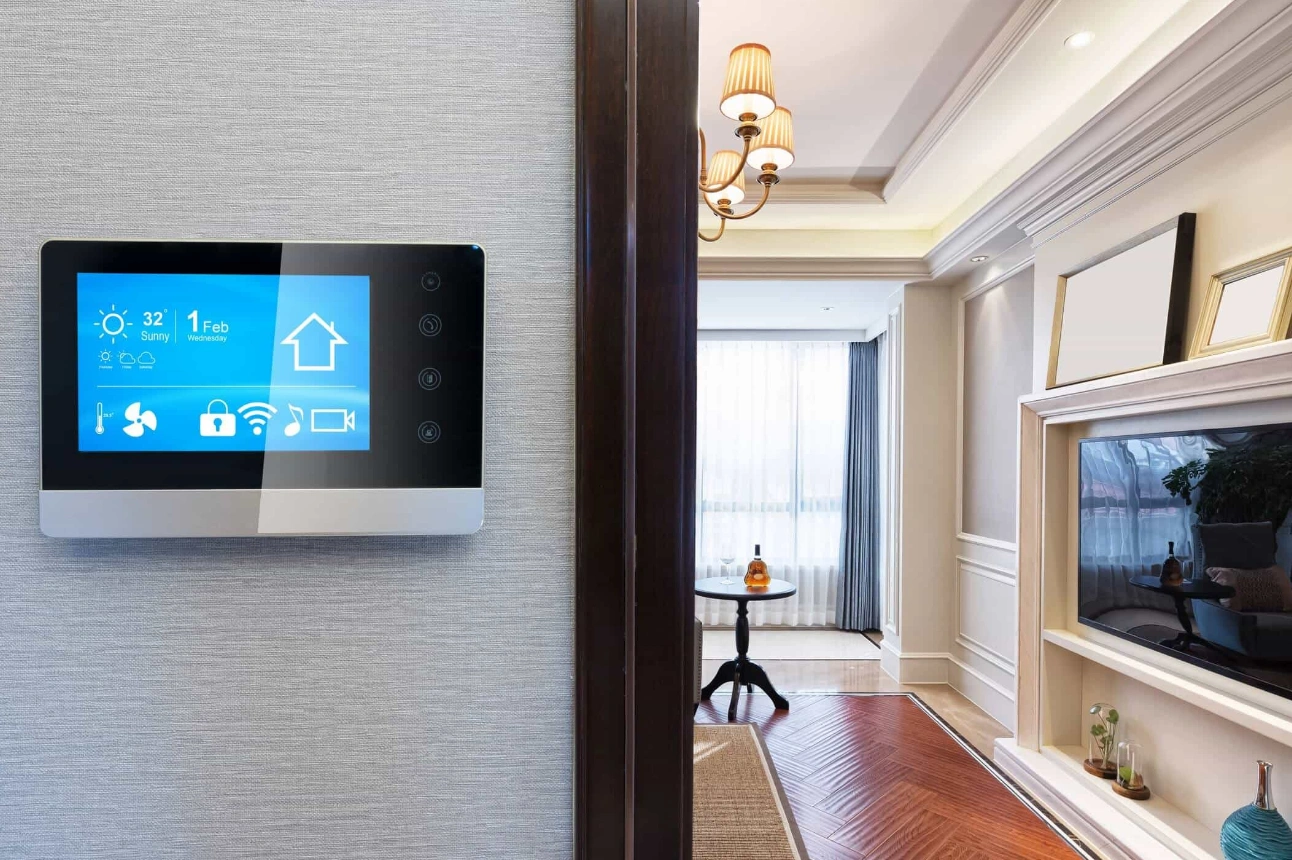
Insert image of a modern smart home interior with integrated devices here.
Smart Thermostats: Key to Energy Savings
These devices stand out for property buyers eyeing long-term costs. They adapt to habits, optimizing heating and cooling. Models like Nest Learning Thermostat adjust based on occupancy, potentially saving hundreds yearly on bills.
Installation is straightforward, often replacing old units. Pair with apps for remote tweaks. In winter, they preheat homes efficiently. Summer brings auto-cooling during peak hours.
Look for geofencing features. They sense when you’re away, dialing down energy use. One buyer reported 12% lower bills after switching. Compatibility with HVAC systems is crucial—check before purchase.
Voice control integrates with Alexa or Siri. This adds convenience without extra hubs. For multifamily units, zoned options allow room-specific settings.
Drawbacks include initial costs, around $200-300. But rebates often offset this. In rentals, they prevent overuse by tenants. Overall, thermostats deliver quick ROI through efficiency.
Advanced Security Systems for Peace of Mind
Security tops lists for many buyers. Smart cameras and doorbells provide real-time monitoring. Ring Video Doorbell offers 1080p video and motion alerts, deterring intruders effectively.
Systems include indoor cams for pet watching or nanny oversight. Outdoor versions withstand weather, with night vision up to 30 feet. Integration with locks allows remote entry for trusted visitors.
AI features distinguish people from animals, reducing false alarms. One setup caught a package thief, leading to quick recovery. Cloud storage keeps footage accessible.
For larger properties, expandable kits cover multiple angles. Battery-powered options suit homes without wiring. Subscription plans unlock advanced analytics.
Costs start at $100 per device, but bundles save money. Installation might need pros for wired models. Privacy concerns arise with always-on recording—opt for encrypted brands.
Insert image of a smart security camera system here.
These enhance safety without constant vigilance. Buyers in urban areas value them most.
Intelligent Lighting: Enhancing Ambiance and Efficiency
Lighting transforms spaces. Smart bulbs like Philips Hue allow color changes and scheduling. Dim for movie nights or brighten for tasks, all via app.
Motion sensors activate lights in hallways, saving energy. Outdoor floods deter trespassers. One user automated porch lights, improving curb appeal.
Hubs connect multiple bulbs for scenes—party modes with vibrant hues. Voice commands simplify control. LED tech lasts years, cutting replacements.
Prices range from $15 per bulb. Starter kits ease entry. Drawbacks: Dependency on Wi-Fi; outages disrupt. But battery backups help.
For buyers, check fixture compatibility. Recessed cans work best. This tech adds modern flair, appealing to young families.

Pros and Cons of Integrating Smart Home Tech
- Pros of Smart Thermostats: Learn user patterns for automatic adjustments, slashing energy bills; remote access prevents frozen pipes in vacant homes.
- Cons of Smart Thermostats: Higher upfront costs than traditional models; require stable internet for full features, risking manual overrides during outages.
- Pros of Security Systems: Real-time alerts and video deter crime effectively; integration with other devices creates comprehensive home monitoring.
- Cons of Security Systems: Subscription fees for cloud storage add ongoing expenses; potential privacy risks from hacked cameras demand strong security measures.
- Pros of Intelligent Lighting: Customizable moods enhance living spaces; energy-efficient LEDs lower electricity use over time.
- Cons of Intelligent Lighting: Compatibility issues with older fixtures; initial setup can overwhelm non-tech-savvy buyers.
Alternatives and Quick Comparisons
Basic home automation via timers offers simple scheduling without apps. It’s cheaper and doesn’t need internet, but lacks smart learning—less efficient than full tech setups, missing remote control.
DIY systems like Zigbee-based hubs provide flexibility over branded ecosystems. Pros include lower costs and customization; cons involve more setup time compared to plug-and-play options, potentially frustrating beginners.
What Buyers Should Prioritize Next
Smart home tech delivers efficiency, security, and convenience worth the investment. Focus on thermostats, security, and lighting for maximum impact. These boost comfort and property value.
Assess compatibility during home hunts. Budget for essentials first. Consult installers for seamless integration. This ensures a tailored, future-ready space.
FAQ
How do smart locks improve daily routines for new homeowners? They enable keyless entry and temporary codes for guests, enhancing security while eliminating lost keys, ideal for busy families.
What makes voice assistants essential in smart setups? They centralize control, allowing hands-free commands across devices, simplifying operations and integrating new tech effortlessly.
Can smart appliances justify higher home prices? Yes, features like inventory tracking reduce waste and appeal to buyers, often increasing resale value by 3-5%.
How does mesh Wi-Fi support expanding smart homes? It provides reliable coverage, preventing device drop-offs, which ensures smooth performance as you add more gadgets.