Smart security systems offer more than basic alarms. They provide remote oversight, instant alerts, and seamless ties to other home devices. Homeowners gain peace of mind knowing they can check cameras or lock doors from anywhere. These setups deter intruders effectively while integrating with voice assistants for hands-free control.
Key benefits shine in daily use. Motion sensors trigger lights automatically, saving energy. AI features distinguish pets from people, cutting false alarms. Families with kids appreciate live feeds to monitor arrivals. For urban dwellers, robust encryption protects privacy amid rising cyber threats.
Costs vary, but entry-level kits start around $200. Professional monitoring adds $10-30 monthly, ensuring quick responses to emergencies. Installation often takes under an hour for DIY options. Compatibility matters—systems like those from major brands work with Alexa, Google, or Siri.
Real-world impact shows in reduced break-ins. One study notes homes with visible cameras see 50% fewer incidents. Upgrades boost property values too, appealing to buyers seeking tech-savvy spaces.
Challenges include setup hurdles for non-tech users. Yet, user-friendly apps simplify this. Focus on needs: indoor cams for apartments, outdoor for houses. This guide reviews leading systems based on testing and feedback. You’ll find options for budgets and features. Expect reliable protection that fits modern lifestyles without complexity.
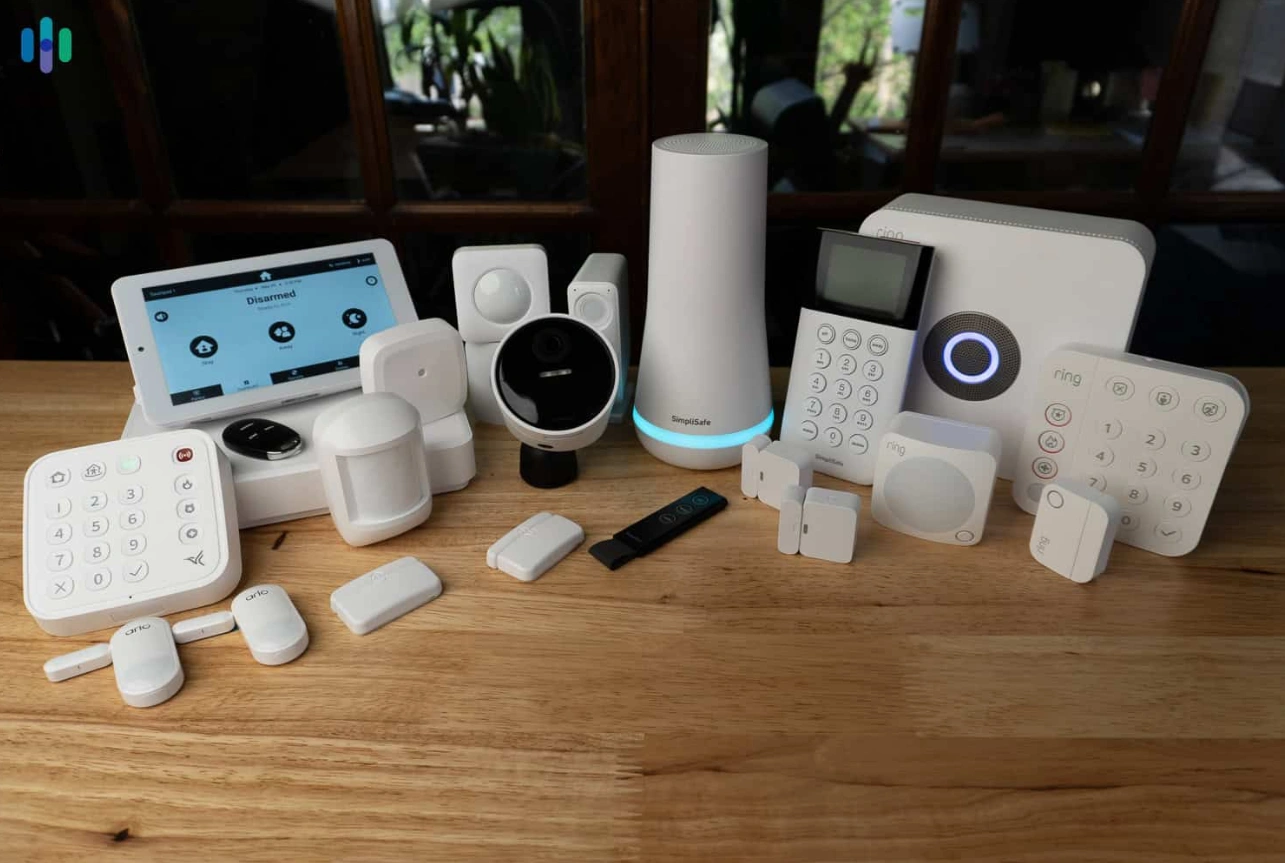
Insert image of a sleek smart home security setup with cameras and sensors here.
SimpliSafe: Versatile DIY Protection
SimpliSafe leads for ease and flexibility. Its wireless design suits renters avoiding permanent fixtures. Kits include base stations, keypads, sensors, and cams. Setup involves peeling stickers and plugging in—no tools needed.
Monitoring stands out. Opt for self-watch via app or pro service with live agent intervention. Cameras offer 1080p video and two-way talk. AI reduces notifications to relevant events. One user praised quick police dispatch after a detected break-in.
Tips: Start with the Essentials package for basics. Add outdoor cams for full coverage. App controls let you arm systems remotely. Integrates with Alexa for voice commands.
Battery backups keep it running during outages. Costs stay low—no contracts required. For larger homes, extend range with extra bases.
This system excels in reliability. It earned high marks in tests for response times and video quality. Drawbacks? Limited advanced automation compared to rivals.
Ring: Camera-Centric and Affordable
Ring focuses on video surveillance. Doorbells and cams provide sharp footage with wide views. Battery or wired options fit various setups. The app unifies control, showing live streams and history.
Spotlight cams illuminate dark areas, deterring visitors. Package detection alerts for deliveries. A neighborhood watch feature shares local incidents. One reviewer noted it helped identify a porch pirate swiftly.
Practical advice: Pair with Echo devices for screen views. Subscriptions unlock recording—essential for evidence. Indoor cams monitor pets or kids discreetly.
Works with Alexa seamlessly. Low entry price appeals to starters. Expand with alarms and sensors.
Limitations include subscription dependency for full features. Privacy concerns arose in past, but updates addressed them.
Insert image of Ring doorbell camera in action here.
This makes Ring strong for visual monitoring.
Vivint: Premium Smart Integration
Vivint delivers high-end features. Professional install ensures optimal placement. Touchscreen panels control everything intuitively. Outdoor cams with deterrence lights and sirens proactive ward off threats.
Smart home ties are robust—link thermostats, locks, lights. AI learns routines for automated responses. A family used it to simulate occupancy during vacations, preventing burglaries.
Insight: Customize with garage controllers or water sensors. 24/7 monitoring includes video verification for faster help.
Compatible with Google and Alexa. Higher costs reflect quality, with contracts common.

ADT: Trusted Professional Service
ADT offers proven reliability. Self or pro setup available. Integrates Nest cams for smart detection. Blue by ADT line provides affordable entry.
Cellular backups maintain connections. App features geofencing—arms when you leave. One case saw it alert to smoke early, saving a home.
Tip: Choose bundles with environmental sensors. Voice control via Google Assistant.
Strong in urban areas with rapid response. Contracts ensure service, but lock in costs.
Pros and Cons of Leading Smart Security Systems
- Pros of SimpliSafe: No-contract flexibility suits movers; affordable pro monitoring with agent talk-through prevents crimes effectively.
- Cons of SimpliSafe: Basic automation lacks depth for complex smart homes; app glitches reported in high-traffic networks.
- Pros of Ring: Extensive camera options capture clear night vision; community alerts enhance neighborhood safety awareness.
- Cons of Ring: Requires subscription for video storage; past data-sharing issues demand careful privacy settings.
- Pros of Vivint: Seamless device integration automates routines; pro install minimizes user errors in setup.
- Cons of Vivint: Higher upfront and monthly fees; long contracts limit short-term users.
Alternatives and Quick Comparisons
Traditional wired alarms provide reliable basics without apps. They’re cheaper long-term and immune to Wi-Fi hacks, but lack remote access compared to smart systems’ convenience.
Standalone cameras like Arlo offer focused surveillance. Pros include high-res video and solar power; cons involve no full-system sensors, missing integrated alarms versus comprehensive smart setups.
What Homeowners Should Consider Next
Smart security delivers vigilance and ease worth exploring. Top values: deterrence, integration, affordability. Prioritize based on home size and tech comfort.
Evaluate needs—cameras for visuals, sensors for entry points. Test free trials. Budget for monitoring. This ensures robust protection tailored to you.
FAQ
How do smart systems handle pet activity without false alarms? AI distinguishes movements, ignoring pets under 50 pounds, which minimizes notifications and focuses on real threats.
What makes professional monitoring superior for busy households? Agents verify incidents and dispatch help swiftly, saving time and potentially reducing insurance premiums by 10-20%.
Can these systems integrate with existing smart lights? Yes, most link via hubs to automate lighting during alerts, enhancing deterrence without extra hardware.
How does weatherproofing affect outdoor camera performance? Durable casings resist rain and extremes, ensuring reliable footage year-round for consistent monitoring.