IoT devices link ordinary household items through networks, turning static spaces into dynamic environments. Homeowners gain control over lighting, security, and appliances from anywhere. This shift cuts energy waste and bolsters safety without constant oversight.
Consider thermostats that adjust based on habits. They learn when you’re home, trimming bills by 10-20%. Security cameras detect motion and send alerts instantly. One family avoided a break-in thanks to real-time notifications from a connected doorbell.
Convenience stands out too. Voice commands handle multiple tasks—dim lights, play music, lock doors. For busy professionals, this saves time. Elderly users benefit from automated reminders for medication or fall detection.
Sustainability improves as well. Sensors monitor water use, preventing leaks that cost thousands. In kitchens, smart fridges track inventory to reduce food waste. These features appeal to eco-minded buyers seeking lower footprints.
Yet, integration requires thought. Compatible systems avoid frustration. Start with hubs like Amazon Echo or Google Nest for seamless links. Privacy matters—opt for encrypted devices to protect data.
Real-world adoption grows. Developers now build homes with built-in IoT, raising property values. Investors note quicker sales for equipped units. Challenges like setup costs exist, but long-term savings offset them.
This piece explores key changes IoT brings. You’ll find examples from industry shifts and practical tips. Whether upgrading or buying, grasp how these tools enhance living. Expect smarter routines, fewer worries, and optimized spaces.
Insert image of interconnected IoT devices in a living room here.
Boosting Security Through Connected Systems
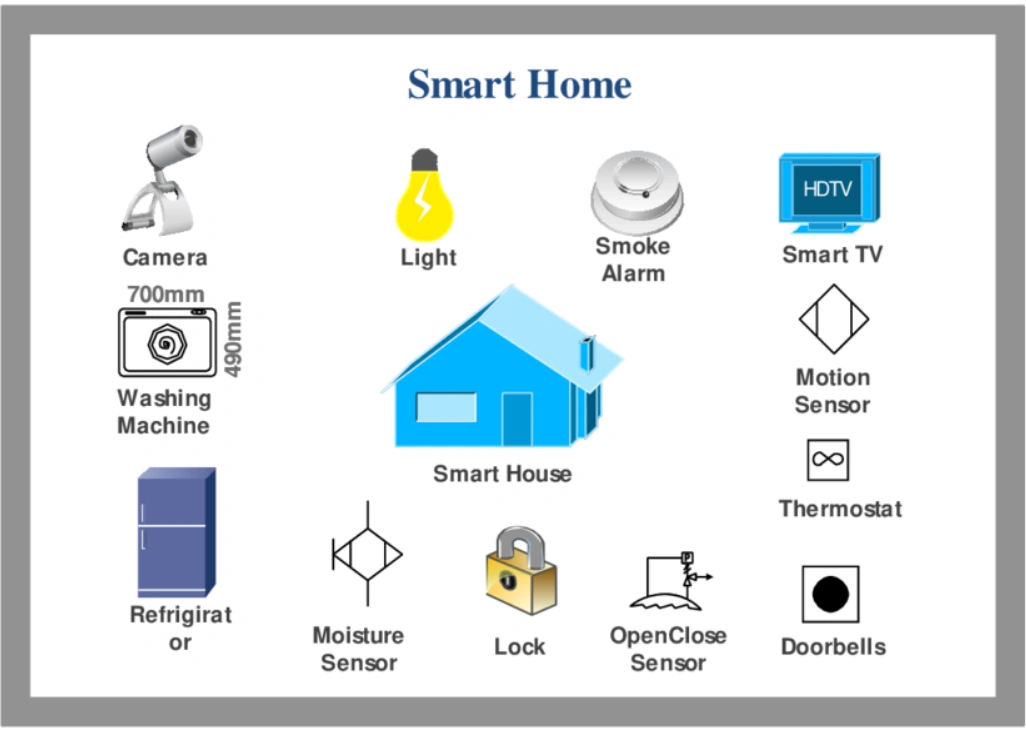
IoT elevates home protection beyond basic locks. Cameras with AI spot unusual activity and notify owners via apps. Doorbells like Ring integrate video feeds, allowing remote conversations with visitors.
Sensors on windows and doors trigger alarms if breached. They pair with lights that flash to deter intruders. One case saw a system alert police during an attempted entry, preventing loss.
Integration extends to whole-home setups. Hubs connect devices for unified control. Geofencing activates security when you leave. This proactive approach shifts from reaction to prevention.
Costs start low—basic cams at $50—but scale with features. Installation is DIY-friendly for most. Privacy risks arise from constant monitoring; use two-factor authentication.
For families, peace of mind is priceless. Kids home alone? Check in remotely. Elderly relatives gain independence with fall sensors that call help.
Overall, IoT makes security intuitive and effective. It deters threats while fitting modern lifestyles.
Optimizing Energy and Resource Management
IoT tackles waste head-on. Thermostats like Nest learn patterns, adjusting heat or AC automatically. They factor in weather data for precision, often saving 15% on utilities.
Smart plugs track appliance use. Turn off forgotten devices remotely. Lighting systems dim based on natural light, extending bulb life.
Water sensors detect leaks early. In bathrooms, they shut valves to avoid floods. One homeowner saved $2,000 in repairs this way.
Eco benefits shine. Solar panels link to batteries, storing excess power. Apps show consumption trends, encouraging cuts.
Setup involves assessing needs—large homes need mesh Wi-Fi for coverage. Rebates from utilities ease costs.
This efficiency lowers bills and footprints. Homes become sustainable without sacrifice.
Insert image of energy-efficient IoT setup in a kitchen here.
Enhancing Daily Convenience and Automation

Routines simplify with IoT. Voice assistants control appliances—start coffee from bed. Robots vacuum on schedules, freeing weekends.
Kitchens evolve. Fridges suggest recipes from stocked items. Ovens preheat via phone commands.
Entertainment syncs seamlessly. TVs adjust to viewer preferences, linking with speakers for immersive sound.
Health monitoring integrates. Wearables track sleep, adjusting room temps for better rest.
Customization is key. Set scenes like “movie night” for dimmed lights and closed blinds.
Drawbacks include learning curves for tech novices. Start simple to build confidence.
These changes make homes responsive, boosting quality of life.
Integrating AI and Robotics for Advanced Features
AI pairs with IoT for smarter decisions. Sensors feed data to algorithms that predict needs—like pre-cooling before hot days.
Robots handle chores. Lawn mowers navigate yards autonomously. Indoor bots sort laundry or monitor air quality.
This synergy creates proactive homes. Devices anticipate issues, like ordering filters when dirty.
Costs rise for advanced models, but modularity allows gradual additions.
For tech enthusiasts, it’s a game-changer. Homes adapt, not just react.
Pros and Cons of IoT in Smart Homes
- Pros of Security Enhancements: Real-time alerts prevent incidents; integration with emergency services adds layers of protection in vulnerable areas.
- Cons of Security Enhancements: Data breaches risk privacy; over-reliance may lead to complacency without manual checks.
- Pros of Energy Optimization: Automated adjustments cut costs significantly; promotes green living through precise resource use.
- Cons of Energy Optimization: Initial investments in devices add up; compatibility issues disrupt savings if systems clash.
- Pros of Daily Automation: Streamlines tasks for time savings; customizable routines fit unique household needs effectively.
Alternatives and Quick Comparisons
Traditional automation uses timers and remotes without internet. It’s cheaper and offline-secure but lacks remote access, making it less flexible than IoT’s connected ecosystem.
Standalone AI assistants like basic voice hubs offer commands minus broad integration. Pros include simplicity; cons involve limited scope compared to IoT’s full-home connectivity and data-driven insights.
Final Thoughts and Practical Steps
IoT reshapes homes into efficient, secure spaces. Core values: savings, convenience, sustainability. Embrace it for modern living.
Begin with essentials like a smart thermostat. Expand based on priorities. Research compatibility. This builds a tailored setup.
FAQ
How do IoT devices handle power outages in smart homes? They often include battery backups for critical functions like security, ensuring alerts continue, which maintains safety during disruptions.
What impact does IoT have on home insurance premiums? Many insurers offer discounts for monitored systems, reducing rates by 5-10%, as they lower risks of theft or damage.
Can IoT improve air quality monitoring indoors? Yes, sensors detect pollutants and activate purifiers automatically, benefiting health by creating cleaner environments without manual intervention.
How does IoT support aging in place for seniors? Devices monitor movements and vitals, alerting caregivers to falls, enhancing independence while providing quick response options.