Stepping into office building investments can transform your portfolio. For newcomers, it means tapping into steady rental income from businesses that value prime locations. These properties often yield higher returns than residential ones, with leases spanning years for predictable cash flow. Picture owning a mid-sized office in a growing tech hub—tenants pay reliably, and property values climb as demand rises.
Why start here? Office spaces attract diverse tenants, from startups to corporations, offering resilience against market dips. Beginners benefit from learning core skills like market analysis and tenant management, building wealth over time. Risks exist, but smart choices minimize them. Focus on emerging areas where remote work shifts create opportunities in flexible, modern buildings.
This guide breaks it down simply. You’ll learn to spot viable properties, secure financing, and manage operations. Real examples show how others succeeded. Whether aiming for passive income or active involvement, office investments suit varied goals. They also offer tax perks, like depreciation deductions, boosting net gains.
Ready to dive in? Assess your finances first. Build a team—brokers, lawyers, inspectors—to navigate deals. Research shows well-located offices in stable economies perform best. Avoid overleveraging; start small if needed. With patience, your first investment could pave the way for more.
Ultimately, this path rewards those who study trends. Office markets evolve with work patterns, so stay informed. From urban towers to suburban complexes, options abound. Embrace the process, and watch your assets grow.
Insert image of a sleek modern office building exterior here.
Understanding the Office Real Estate Market
Office buildings come in classes—A for premium, B for solid mid-tier, C for older ones needing updates. Beginners often target Class B for balanced risk and reward. These offer good locations without sky-high prices.
Demand drivers matter. Tech firms seek collaborative spaces; law offices prefer central spots. Post-pandemic, hybrid models favor buildings with amenities like gyms or green areas. In cities like Austin or Denver, vacancy rates drop as businesses expand.
Research local trends. Use tools like CoStar for data on rents and occupancies. For instance, a Seattle investor bought a Class B office at $200 per square foot, leased it to software companies, and saw 8% annual returns.
Key metrics: Cap rate measures income potential—aim for 6-8% in stable areas. NOI (net operating income) subtracts expenses from revenue. Factor in maintenance, taxes, insurance.
Location reigns supreme. Proximity to transit boosts appeal. Avoid oversaturated markets; seek growth zones. Insights from pros: Diversify tenants to cushion vacancies. This market rewards due diligence, turning beginners into savvy owners.

Essential Steps to Start Investing
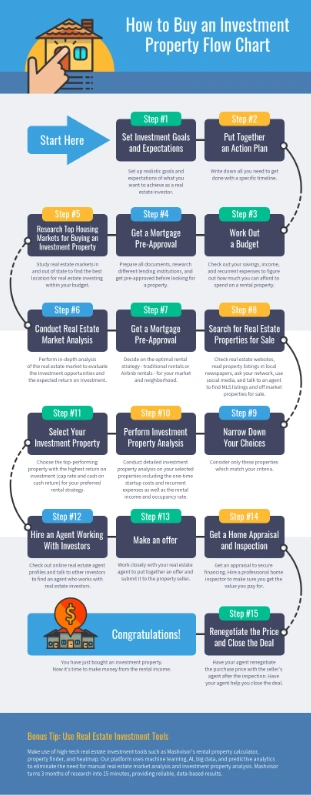 Begin with goals. Want passive income? Or flips for quick profits? Define budget—office deals start at $500,000, but partnerships lower entry.
Assemble a team. Hire a commercial broker experienced in offices. They spot deals. Add a lawyer for contracts, accountant for taxes.
Find properties. Scout via listings on LoopNet or through agents. Evaluate: Inspect structure, review leases. Due diligence uncovers issues like zoning restrictions.
Finance wisely. Options include SBA loans for small buildings or conventional mortgages. Expect 20-30% down payments. Crowdfunding platforms like CrowdStreet allow fractional ownership, ideal for beginners.
Close and manage. After purchase, secure tenants via marketing. Use property managers for daily ops— they handle repairs, collections for 8-10% of rent.
Real tip: Start with multi-tenant buildings to spread risk. One beginner in Chicago invested $1 million in a suburban office, leased 80% within months, netting $80,000 yearly.
Financing and Risk Management Strategies
Secure funding early. Banks offer terms up to 25 years, but rates vary—check current averages around 6-7%. For beginners, hard money loans provide quick cash, though at higher interest.
Mitigate risks. Economic downturns hit offices hard, so choose recession-resistant tenants like government agencies. Insurance covers liabilities; budgets for vacancies.
Tax strategies help. Deduct interest, depreciation. 1031 exchanges defer gains on sales.
Practical insight: A Florida investor used a bridge loan to buy a distressed office, renovated it, and refinanced for long-term savings. Track expenses meticulously—software like Yardi simplifies this.
Diversify: Mix office with other commercial types if possible. Stay updated on regulations, like energy efficiency mandates affecting older buildings.
Pros and Cons of Office Building Investments
- Stable Income Streams: Long-term leases from corporate tenants provide reliable cash flow, often with built-in rent escalations for inflation protection.
- Appreciation Potential: Well-located offices in growing areas can increase in value, offering capital gains upon sale—up to 10% annually in hot markets.
- Tax Advantages: Deductions for depreciation, interest, and improvements reduce taxable income, enhancing overall returns for savvy investors.
- Professional Tenant Base: Businesses maintain properties better than residential renters, lowering repair costs and turnover rates.
- High Entry Barriers: Upfront costs, including down payments and due diligence, can exceed $100,000, deterring those with limited capital.
- Market Sensitivity: Economic slumps or remote work trends lead to higher vacancies, potentially slashing income during downturns.
- Management Demands: Handling tenant improvements or lease negotiations requires time or hiring pros, adding to expenses.
- Illiquidity Issues: Selling offices takes months, unlike stocks, tying up funds during market shifts.
Exploring Alternatives: REITs and Residential Properties
Real Estate Investment Trusts (REITs) offer a hands-off approach. Buy shares in office-focused REITs like those from Vanguard. Pros: Liquidity and diversification without direct ownership; cons: Lower control and exposure to market volatility compared to owning buildings outright.
Residential rentals provide easier entry. Single-family homes cost less to start. Pros: Simpler management and steady demand; cons: Shorter leases and higher turnover versus office stability, plus potentially lower yields in competitive areas.
Is It Worth the Effort?
Yes, for those committed to research. Office investments build lasting wealth through income and growth. Start by educating yourself—read guides, network with investors. If ready, target a small building in a familiar market. The key: Patience pays off with compounded returns.
FAQ
What credit score do I need for office building financing? Aim for 680 or higher to secure favorable rates; lenders value strong scores for lower-risk loans, easing approval and cutting costs.
How do remote work trends affect office investments? They favor flexible spaces with co-working areas, boosting demand in adaptable buildings while pressuring rigid ones—focus on modern upgrades for better occupancy.
Can beginners use partnerships for office deals? Absolutely; joint ventures split costs and risks, allowing access to larger properties with shared expertise for smoother operations.
What hidden costs should I watch for in office purchases? Tenant build-outs and environmental assessments can add thousands; budget 5-10% extra to cover these, ensuring profitability from day one.