Diving into shopping mall investments can unlock substantial wealth-building potential. These properties generate reliable income through diverse tenants, from anchor stores to eateries, often yielding 6-8% returns in strong markets. For investors, the appeal lies in long-term leases that provide steady cash flow, plus opportunities for value-add through renovations. Picture acquiring a regional mall and revamping it into a mixed-use hub—foot traffic surges, rents climb, and resale value soars.
This isn’t for the faint-hearted, though. Malls demand keen market insight to navigate e-commerce shifts. Yet, with retail rebounding via experiential elements like entertainment zones, savvy buyers thrive. Benefits extend beyond profits: Tax deductions on depreciation and interest lighten loads, while diversification cushions against volatility.
Start by grasping basics. Malls vary—enclosed giants or open-air strips. Focus on locations with growing populations and low vacancies. Real examples inspire: Simon Property Group’s portfolio consistently outperforms, blending retail with offices for resilience. Risks? Economic dips hit hard, but grocery-anchored centers weather storms better.
For newcomers, this guide demystifies the process. Learn to spot deals, secure loans, and manage operations. Whether direct ownership or REITs, malls suit portfolios seeking scale. Entry barriers exist, but partnerships lower them. Research tools like CoStar reveal trends—U.S. mall vacancies dipped to 8% recently, signaling recovery.
Ultimately, success hinges on due diligence. Assess tenant mixes, footfall data, and cap rates. With e-tail integration, malls evolve into community anchors. Ready? Build a team: Brokers, lawyers, appraisers. This investment rewards patience, turning bricks into lasting assets.
Insert image of modern shopping mall exterior here.
Decoding Shopping Mall Types and Market Dynamics
Shopping malls fall into categories like super-regional (over 800,000 sq ft) or neighborhood centers (under 200,000 sq ft). Super-regionals draw crowds with anchors like Macy’s, while smaller ones rely on groceries for stability. Investors favor grocery-anchored for lower risk—tenants like Walmart ensure footfall even in downturns.
Market trends matter. Post-pandemic, experiential retail booms: Add gyms or theaters to boost occupancy. In the U.S., retail investment hit $28 billion in Q2, up 23%, driven by urban spots. Check absorption rates—positive figures signal demand.
Real insight: Houston Galleria thrives with luxury mixes, yielding high rents. Tip: Use cap rates (NOI divided by price) around 7% for viable deals. Factor e-commerce: Malls blending online-offline, like click-and-collect, adapt best.
Location trumps all. Seek areas with 100,000+ population within 5 miles, near highways. Avoid oversaturated zones; target growth corridors. Tools like demographics reports guide choices. Overall, understand these to align investments with tenant needs for sustained value.

Step-by-Step Guide to Acquiring a Mall
Begin with goals. Seek passive income? Or quick flips? Budget starts at $1-5 million for small centers; scale up for larger.
Research thoroughly. Analyze local economies, vacancy rates via platforms like LoopNet. Example: A Florida investor bought a strip mall for $2 million, leased to chains, netting 7% yield.
Assemble experts. Engage commercial brokers for off-market deals, attorneys for contracts, inspectors for hidden issues like HVAC.
Finance creatively. SBA loans suit beginners with 10-20% down; expect 5-7% rates. Crowdfunding platforms lower barriers.
Due diligence is key. Review leases—aim for 80% occupancy with strong anchors. Calculate NOI: Gross rents minus expenses.
Close and manage. Hire property firms for ops; they handle tenants for 5-10% fees. Tip: Diversify tenants to mitigate risks—one vacancy won’t sink you.
Post-purchase, enhance value. Renovate facades or add EV chargers to attract millennials. A Chicago center’s upgrades lifted occupancy 25%. Track metrics quarterly for adjustments.
Insert image of busy shopping mall interior with stores and people here.
Risk Management and Valuation Essentials
Value malls via income approach: NOI / cap rate equals price. Stabilized NOI from reliable tenants boosts appeal. Appraisals factor tenancy mix—diverse reduces risk.
Mitigate threats. E-commerce erodes footfall, so prioritize experiential features. Economic sensitivity demands reserves for vacancies.
Legal checks: Ensure zoning allows expansions. Environmental audits avoid liabilities.
Practical tip: Hedge with insurance; budget 10% for capex yearly. In volatile times, focus on essentials-anchored properties—they saw positive absorption recently.
Valuation grows with improvements. A Detroit repurposing added 20% value. Monitor trends like rent growth streaks for timing.
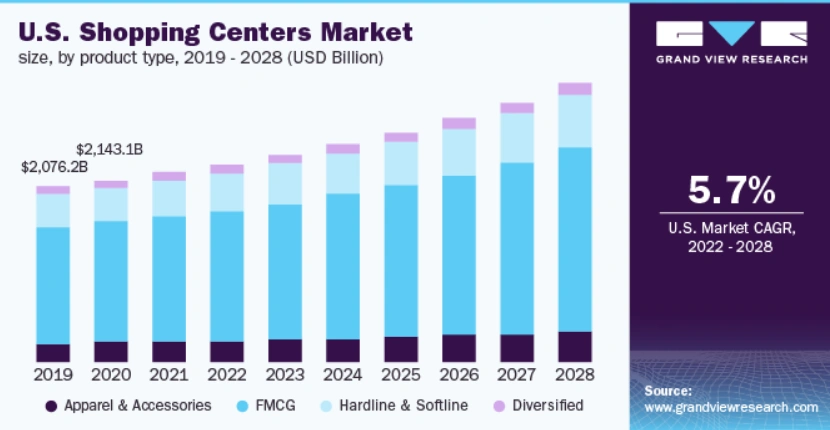
Pros and Cons of Shopping Mall Investments
- Reliable Cash Flow: Long leases from anchors provide predictable income, often with escalations, yielding 6-8% in stable areas.
- Appreciation Potential: Upgrades like mixed-use additions can boost values 10-20%, as in successful rehabs.
- Tax Perks: Deduct depreciation and interest, plus incentives for green retrofits, enhancing net returns.
- Diversification: Multi-tenant setups spread risk, unlike single-occupant properties.
- High Initial Costs: Entry often exceeds $1 million, with financing requiring 20% down and strong credit.
- E-Commerce Impact: Declining footfall from online shopping pressures rents, especially in non-adapted malls.
- Management Intensity: Handling diverse tenants demands pros, adding 5-10% fees and time.
- Market Volatility: Downturns spike vacancies; interest rate hikes raise debt costs.
Alternatives: REITs and Industrial Properties
Mall REITs like Simon offer hands-off entry via stocks. Pros: Liquidity, dividends around 5%; cons: Less control than direct ownership, plus market swings.
Industrial warehouses provide steadier demand from logistics. Pros: Lower management, 7-9% yields; cons: Less glamour and potential for retail-like appreciation versus malls.
Is It Worth the Commitment?
Yes, for those eyeing diversified income. Malls deliver robust returns through evolution into vibrant hubs. Start with market research; consider REITs if direct buys overwhelm. Key value: Resilience via adaptation, building equity in dynamic retail landscapes.
FAQ
How do anchor tenants influence mall ROI? They drive 60-70% footfall, stabilizing rents and attracting smaller shops for overall 7%+ yields.
What financing options suit first-time mall buyers? SBA loans with 10% down offer accessible terms, focusing benefits on lower barriers for stable cash flows.
Can malls integrate e-commerce for better performance? Yes, via omnichannel setups like in-store pickups, reducing vacancies and enhancing tenant retention.
How does location affect mall investment success? Prime spots near dense populations yield 20% higher rents, emphasizing accessibility for sustained demand.