Staging a high-end property isn’t just about tidying up. It creates an emotional pull that convinces affluent buyers this is their dream retreat. In 2025, with luxury markets rebounding, effective staging can shave weeks off listing times and add 5-10% to sale prices. Buyers in this bracket seek spaces that scream exclusivity—think seamless tech, sustainable touches, and timeless elegance.
Professional stagers know the drill: highlight strengths like custom millwork or panoramic views while downplaying flaws. Data from recent reports shows staged luxury homes sell 73% faster than vacant ones. This approach lets potential owners envision hosting galas or unwinding in spa-like settings. For sellers, it’s a smart investment—costs often run 1-3% of list price but yield strong returns.
Key trends this year include minimalism with bold accents, smart home integrations, and eco-friendly materials. Avoid clutter; opt for neutral palettes that let architecture shine. Incorporate art, fresh greenery, and high-thread-count linens for that lived-in yet pristine vibe.
Real-world example: A Manhattan penthouse staged with borrowed designer pieces fetched 15% over asking after just two weeks. Tips like these help navigate competitive scenes. Whether flipping or upgrading, mastering staging boosts appeal to discerning eyes.
This guide breaks down steps, room-specific strategies, and pitfalls. You’ll get practical advice to transform your property into a must-have.
Understanding Luxury Buyer Preferences in 2025
High-net-worth individuals crave properties that align with their lifestyles. They prioritize tech-savvy features like smart lighting and in-ceiling speakers, as noted in recent staging trends. Sustainability matters too—think recycled materials and energy-efficient setups.
Staging should evoke aspiration. Use the 3-foot/5-foot rule: ensure spaces look flawless up close and in photos by creating focal points. Declutter ruthlessly; less is more for open, modern feels.
Example: In a Potomac estate, integrating borrowed artwork and luxury cars amplified appeal. Tips: Research your market—coastal buyers love ocean-inspired blues, while urban ones favor sleek neutrals. Partner with stagers who understand demographics for tailored results.
Budget wisely. Pros recommend allocating for high-impact items like fresh linens or plants. This not only speeds sales but builds emotional connections, leading to premium offers. Avoid generic decor; customize to the home’s unique traits.
Overall, grasp what drives these buyers: exclusivity and convenience. Staging bridges the gap between listing and legacy.
Essential Staging Techniques for Key Rooms
Living Areas: Crafting Inviting Social Spaces
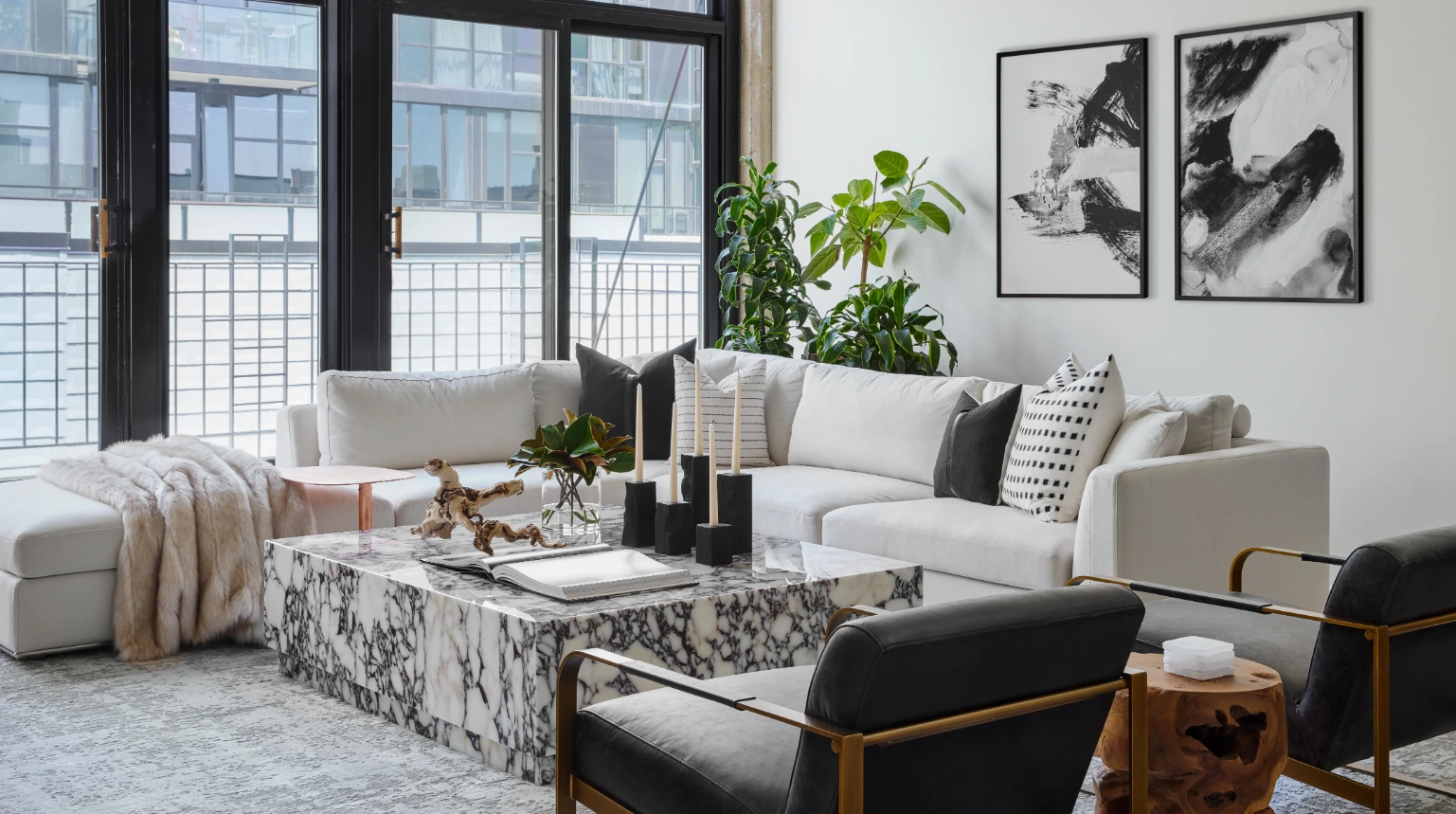
Living rooms set the tone. Use neutral tones with plush textures for warmth. Arrange furniture to promote flow—sectionals facing fireplaces work well.
Incorporate art and greenery for depth. A Chicago loft staged with abstract pieces sold quickly. Tip: Layer lighting—pendants over tables add drama.
Keep it uncluttered; coffee table books and vases suffice. This highlights architecture, appealing to buyers seeking entertainment hubs.
Kitchens: Showcasing Culinary Excellence
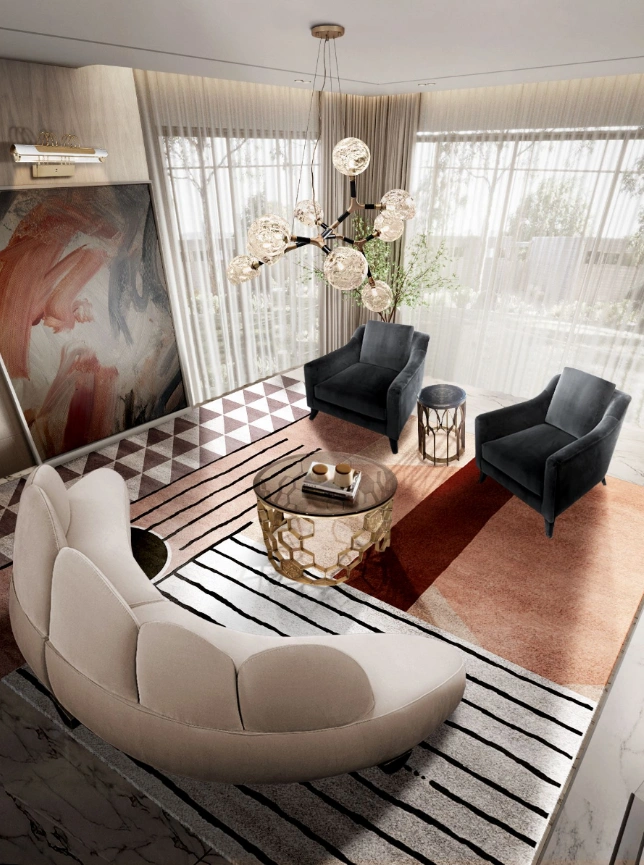
Kitchens sell luxury homes. Clear counters, stage with high-end appliances visible. Add fresh produce or herbs for life.
Trends favor integrated tech like smart faucets. Example: A D.C. property with staged islands drew multiple bids.
Tip: Use under-cabinet lights to emphasize quartz or marble. This creates a chef’s paradise vibe.
Bedrooms: Emphasizing Serenity and Comfort
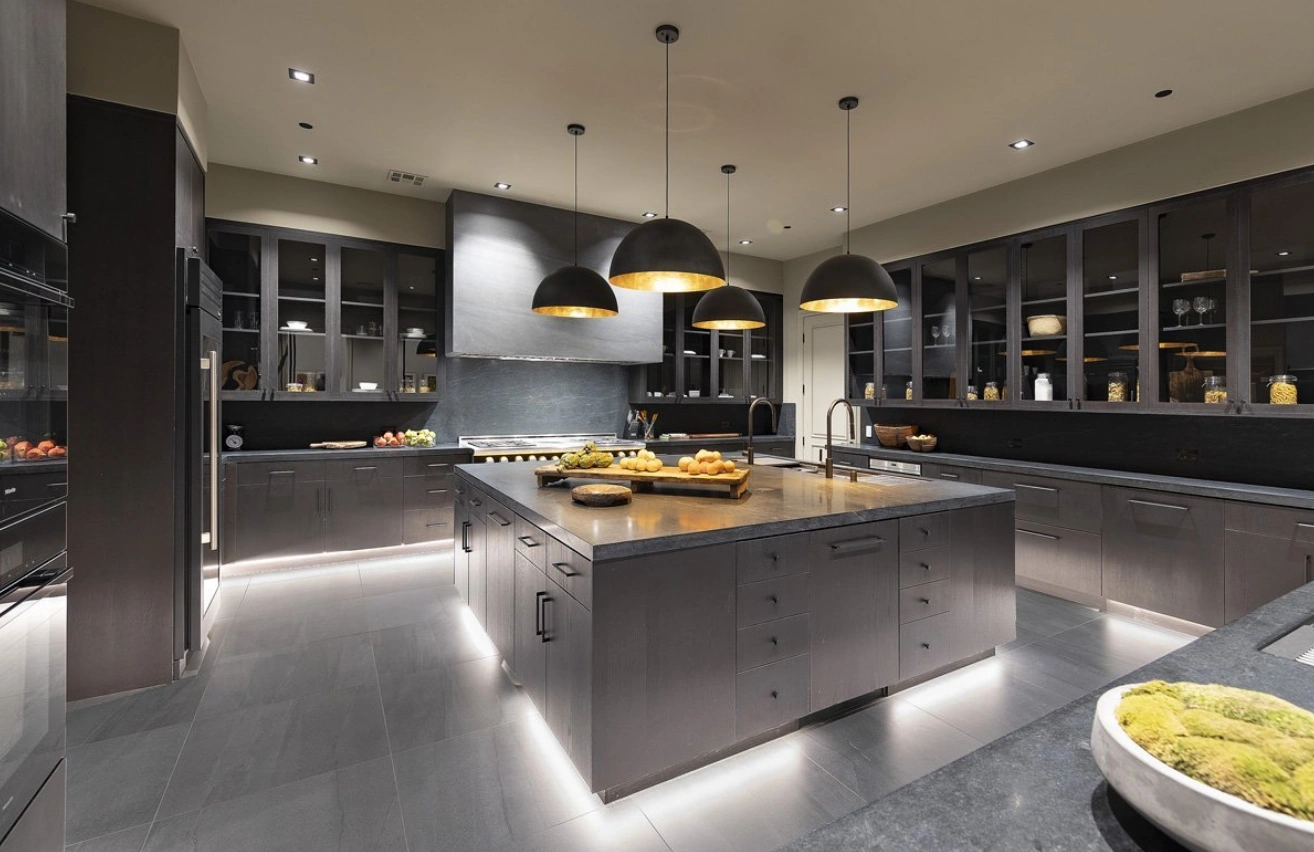
Bedrooms need plush bedding in neutrals. Layer pillows and throws for invitation.
Add nightstands with lamps and books. A Vancouver home with textured linens impressed buyers. Tip: Use scents like lavender subtly.
This fosters relaxation, key for high-end appeal.
Outdoor Spaces: Extending Luxury Beyond Walls
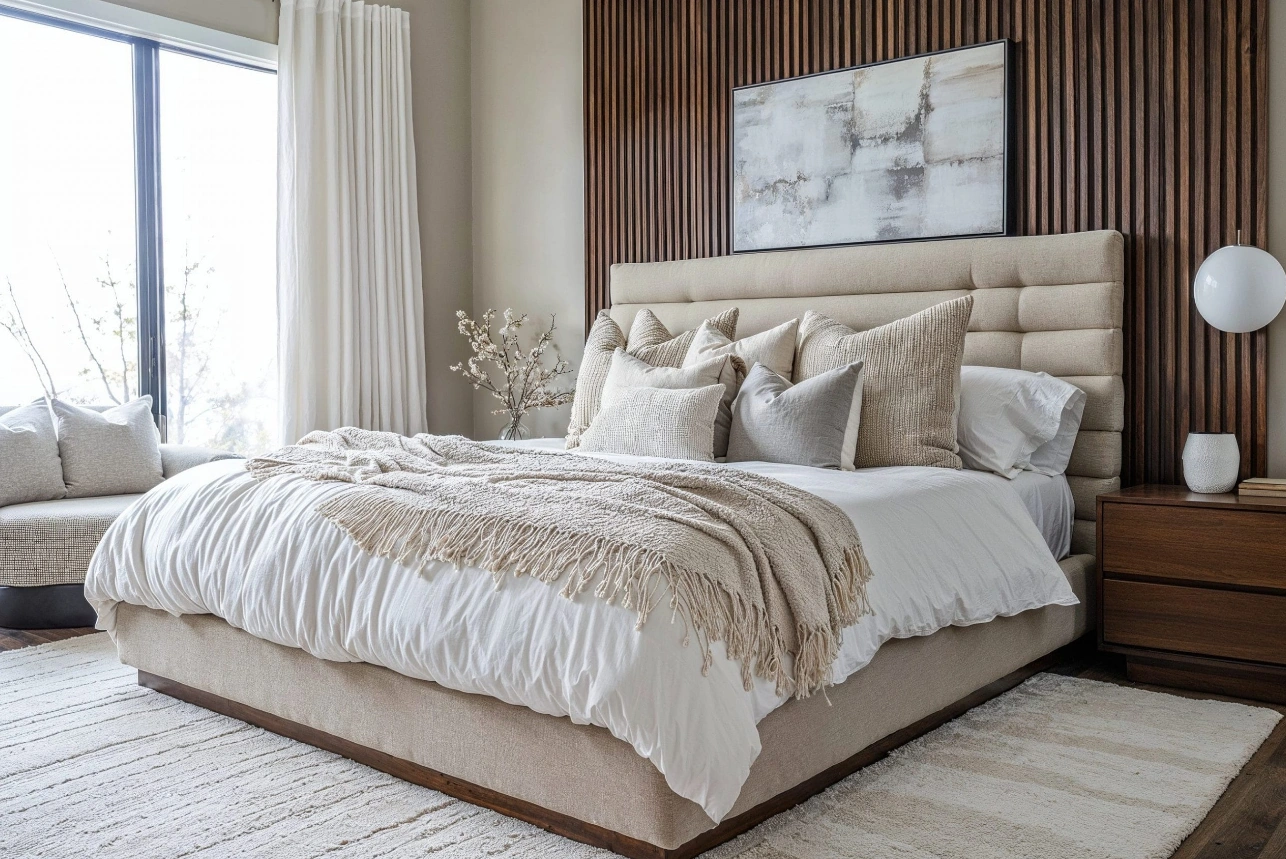
Patios and pools extend living areas. Stage with lounge chairs and plants.
Incorporate fire pits for ambiance. A Maryland backyard with waterfalls boosted value. Tip: Highlight landscaping for curb appeal.
This attracts buyers wanting seamless indoor-outdoor flow.

Pros and Cons of Luxury Home Staging
- Pros:
- Boosts perceived value, often leading to offers above asking.
- Reduces market time by creating emotional buyer connections.
- Highlights unique features like custom tech or views effectively.
- Allows for lifestyle storytelling that resonates with affluent clients.
- Cons:
- High costs for designer rentals or pros can strain budgets.
- Time-intensive prep may delay listings in fast markets.
- Over-staging risks making spaces feel impersonal or staged.
- Market shifts, like economic dips, could diminish returns.
Alternatives and Quick Comparisons
Virtual staging offers digital enhancements at lower cost but lacks tactile appeal compared to physical setups—ideal for empty homes, though less immersive for in-person tours.
DIY staging saves money yet often falls short on expertise versus pros; it suits minor tweaks but pros deliver polished results for million-dollar deals.
What You Should Do Next
Staging luxury homes pays off in 2025’s competitive market. Focus on key rooms, embrace trends like minimalism, and hire experts for best results. Assess your property’s strengths, budget accordingly, and aim for that aspirational feel. This could mean faster sales and higher profits. Start with a consultation today.
FAQ
How does integrating smart tech during staging influence luxury buyer decisions? It showcases convenience, often swaying offers by highlighting features like automated lighting that align with modern lifestyles.
What overlooked bathroom staging tip can elevate a luxury listing? Layer high-end towels and subtle scents to create a spa vibe, making buyers envision daily indulgence.
Can outdoor staging compensate for indoor flaws in high-end properties? Yes, well-landscaped patios extend appeal, drawing focus from minor issues while boosting overall perceived value.
What’s a cost-effective way to add exclusivity without major rentals? Borrow art from galleries for temporary displays, adding sophistication at minimal expense.