AI is reshaping commercial real estate in ways that boost efficiency and open new markets. Investors and managers gain tools to cut costs and spot trends faster. For instance, predictive analytics can forecast property values with precision, helping avoid poor deals. Developers use AI to optimize designs, reducing waste and speeding projects.
This shift matters because commercial properties face high stakes. Vacancies drain revenue, while rising energy demands from data centers push for smarter buildings. AI steps in by automating lease reviews and tenant interactions, freeing teams for strategic work. One study shows potential savings of $34 billion by 2030 through task automation alone.
Yet, the changes go deeper. AI influences space demand itself. As companies adopt tech, they need facilities with robust power and cooling. This spurs growth in industrial sectors, like warehouses for e-commerce. Offices evolve too, with AI enabling flexible layouts that adapt to hybrid work.
Risks exist, including data privacy concerns and job shifts. But the upsides often outweigh them for forward-thinking firms. Real examples abound: Brokers leverage AI for targeted marketing, closing deals quicker. Property owners install sensors for real-time maintenance, extending asset life.
This article dives into these transformations. You’ll find practical insights drawn from industry reports and cases. Whether you’re investing in retail spaces or managing office towers, understanding AI’s role equips you to thrive. It could mean higher returns and resilient portfolios. Stay ahead by integrating these tools thoughtfully.
Insert image of AI-integrated smart buildings in a cityscape here.
AI’s Role in Streamlining Property Management
AI transforms daily operations in commercial real estate. Tools like chatbots handle tenant queries instantly. This cuts response times and boosts satisfaction. Predictive maintenance uses sensors to spot issues early. A faulty HVAC gets fixed before it fails, saving thousands.
Lease abstraction is another win. AI scans contracts, pulling key terms in minutes. Managers avoid manual reviews, reducing errors. One firm reported 40% faster processing after adoption. Energy optimization follows suit. Algorithms adjust lighting and climate based on occupancy, trimming bills by up to 20%.
Integration matters. Start with cloud platforms that link AI to existing systems. This ensures seamless data flow. For larger portfolios, AI dashboards provide oversight. They flag underperforming assets quickly.
Challenges include setup costs. But ROI comes fast through efficiency. In retail spaces, AI analyzes foot traffic to suggest layout changes. This drives revenue. Overall, these applications make properties more competitive.
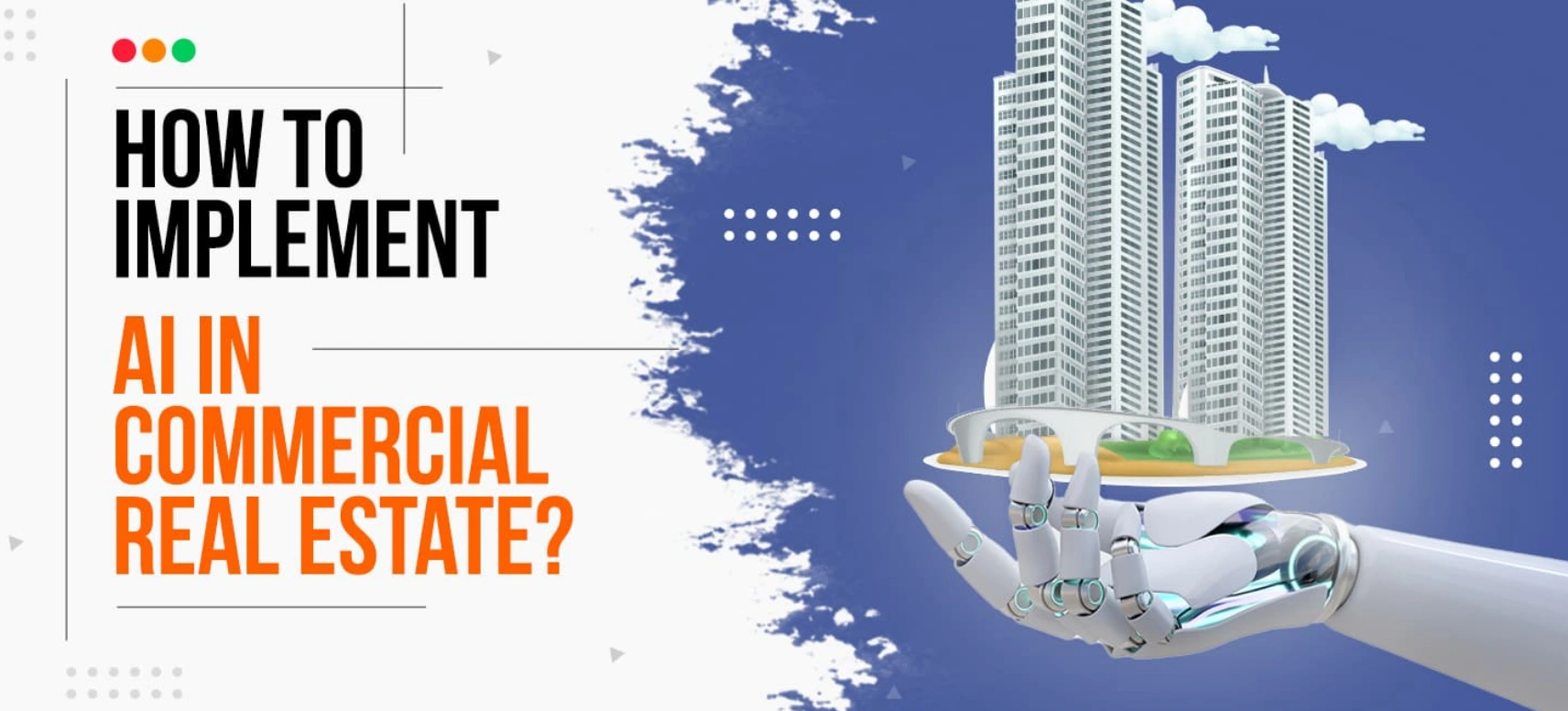
Security features evolve too. AI monitors access, detecting anomalies. It enhances safety without constant human oversight. As adoption grows, expect standardized AI protocols across the sector.
Boosting Market Analysis and Investment Strategies
AI excels at crunching vast datasets for insights. It predicts market shifts by analyzing economic indicators and local trends. Investors spot emerging hotspots early. For example, AI models forecast rent growth in tech-heavy areas.
Valuation becomes precise. Algorithms factor in variables like zoning changes and comparable sales. This minimizes overpayments. A report highlights AI’s ability to automate 37% of tasks, including financial modeling.
Portfolio optimization benefits greatly. AI simulates scenarios, recommending divestments or acquisitions. One investor used it to adjust holdings, increasing yields by 15%. Risk assessment improves too, flagging potential downturns.
Brokers gain from targeted leads. AI matches properties to buyer profiles, speeding transactions. Marketing materials generate automatically, tailored to audiences.
Data quality is key. Feed AI reliable sources to avoid biases. Tools like machine learning refine predictions over time. In volatile markets, this edge proves invaluable.
Insert image of data analytics dashboard for real estate investments here.
The result? Smarter decisions that enhance returns. As AI evolves, its integration deepens, offering even more granular forecasts.
Driving Demand for New Infrastructure
AI fuels growth in data centers and related facilities. Surging computational needs require vast spaces with high power. Developers respond by building specialized properties. One analysis projects billions in new demand.
Sustainability enters the mix. AI optimizes energy use in these centers, incorporating renewables. This appeals to eco-conscious tenants. Locations near power grids become prime.
Office and industrial spaces adapt. AI enables smart buildings with IoT integration. Features like automated climate control attract occupants. Mixed-use developments rise, blending tech with retail.
Supply chains shift. Warehouses incorporate AI for logistics, demanding advanced setups. This creates opportunities in underserved regions.
Challenges include regulatory hurdles. Zoning for data centers varies. But the economic boost—jobs and taxes—often sways approvals.
Overall, AI redefines asset classes, turning infrastructure into a hot investment area.
Addressing Risks and Ethical Considerations
While powerful, AI brings hurdles. Cybersecurity threats rise with data reliance. Hackers target sensitive info, demanding robust protections.
Job displacement worries persist. Automation handles routine tasks, shifting roles toward oversight. Training programs help workers adapt.
Bias in algorithms poses issues. If trained on skewed data, decisions favor certain groups. Regular audits mitigate this.
Implementation costs deter small firms. Start with scalable solutions to ease entry.
Ethical use is crucial. Transparent AI builds trust. Regulations are emerging to guide adoption.
Despite these, careful planning turns risks into manageable aspects.
Pros and Cons of AI Integration in Commercial Real Estate
- Pros of AI in Operations: Automates maintenance and tenant services, cutting costs by 20-30%; enables predictive fixes to prevent downtime in high-value properties.
- Cons of AI in Operations: High initial setup expenses for sensors and software; dependency on tech could amplify outages if systems fail.
- Pros of AI for Analysis: Delivers accurate market forecasts and valuations; helps investors identify undervalued assets in competitive markets.
- Cons of AI for Analysis: Potential for biased outcomes from poor data quality; requires ongoing updates to stay relevant amid economic shifts.
- Pros of Infrastructure Demand: Spurs new developments like data centers, creating revenue streams; promotes sustainable building practices through optimization.
- Cons of Infrastructure Demand: Increases energy consumption, straining grids; leads to location-specific booms that may overlook other areas.
Alternatives and Quick Comparisons
Traditional market research relies on manual surveys and historical data. It’s cost-effective for small operations but slower than AI, missing real-time insights and leading to outdated strategies.
Blockchain offers secure transactions as an alternative tech. It enhances transparency in deals versus AI’s focus on analysis, but lacks predictive power; cons include slower adoption due to complexity compared to AI’s immediate efficiency gains.
Is AI Worth Embracing in Commercial Real Estate?
AI’s impact is profound, offering efficiency and new opportunities. Key values include cost savings, better decisions, and infrastructure growth. Weigh risks, but benefits often prevail.
Start by assessing needs. Pilot small AI tools. Partner with experts for integration. This positions you for long-term success in a tech-driven sector.
FAQ
How does AI affect data center demand in commercial real estate? It surges need for power-intensive spaces, creating investment chances in specialized properties while promoting energy-efficient designs for sustainability.
What ethical issues arise from AI in property valuation? Biases in data can skew results, but regular audits and diverse datasets ensure fair assessments, benefiting equitable market access.
Can AI reduce environmental impacts in commercial buildings? Yes, by optimizing energy use through smart systems, lowering emissions and costs, which appeals to green-focused tenants.
How might AI change broker roles in real estate transactions? It automates lead generation and paperwork, allowing brokers to focus on negotiations and relationships, enhancing deal closure rates.