Economic slumps hit hard, slowing buyer activity and pressuring prices. Yet, selling quickly remains possible with smart moves. You’ll cut holding costs like taxes and maintenance, freeing cash for stability or new opportunities. In tough times, motivated sellers close in weeks by targeting cash buyers or investors, avoiding drawn-out traditional sales. This nets liquidity fast, crucial for relocations or debt relief.
Downturns shrink buyer pools as financing tightens and confidence dips. Homes linger longer—up from 30 days in booms to 60-plus. But strategies like competitive pricing draw serious offers. Data shows well-prepped properties sell 20% faster even in recessions. Focus on essentials: curb appeal boosts first impressions, while as-is options skip costly fixes.
Cash deals shine here, closing in 7-21 days without appraisals. Sellers in distress often turn to these for certainty. For example, during past dips, investors snapped up undervalued homes, helping owners exit swiftly. Prep by assessing value via comps, not inflated past peaks.
Legal musts: Disclose issues to avoid disputes. Agents versed in downturns guide pricing and marketing, potentially saving thousands. Virtual tools expand reach without in-person risks.
This guide offers actionable steps, rooted in real market insights, to help you navigate and succeed.
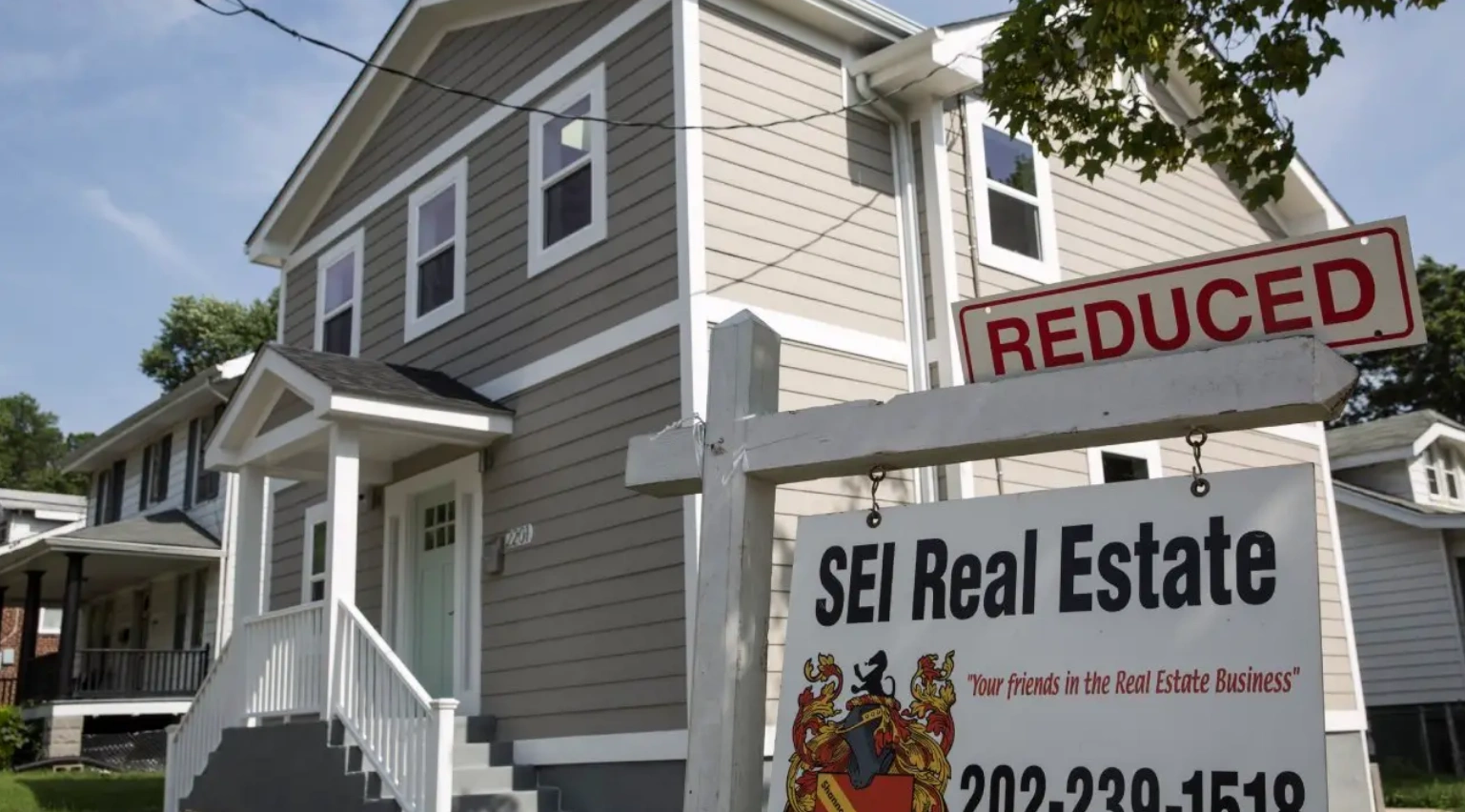
Insert image of a house with a for-sale sign in a subdued market setting here.
Whether facing job loss or market shifts, these tactics empower quick, effective sales.
Understanding Market Dynamics in Downturns
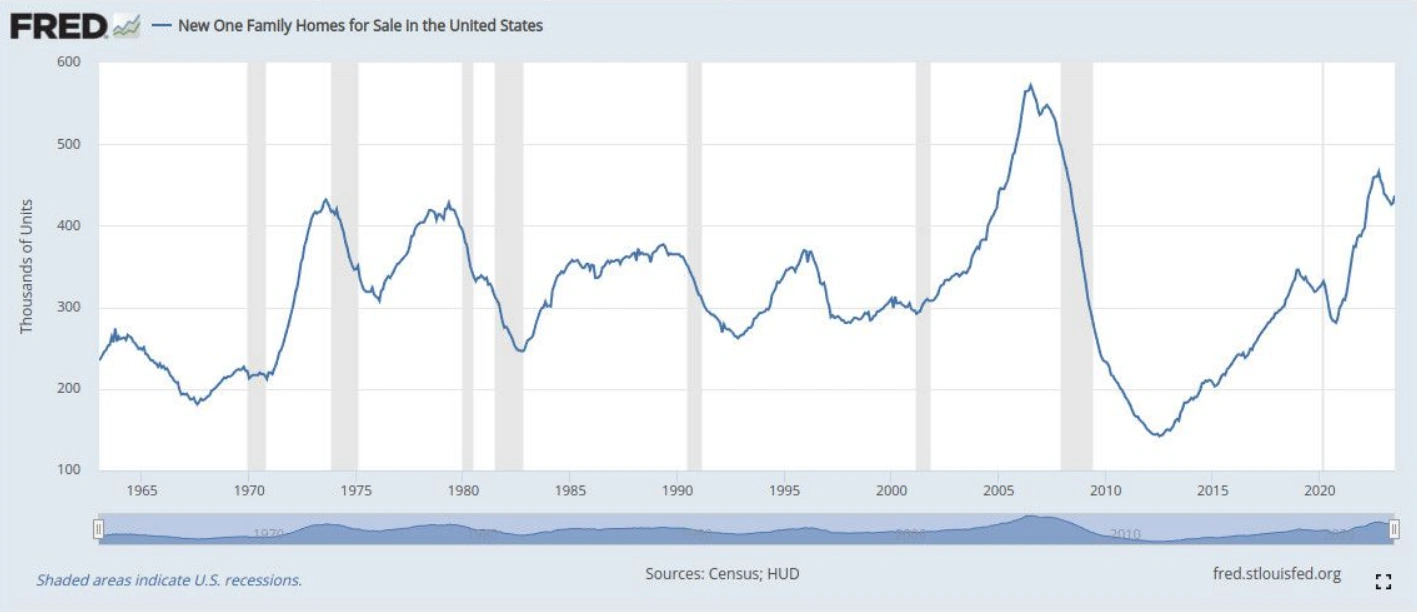
Economic downturns reshape real estate. Buyer caution rises as jobs waver and rates fluctuate, leading to fewer offers. Inventory builds, but demand favors bargains. Homes priced right move quickest—overpricing stalls listings for months.
Key factor: Financing hurdles. Lenders tighten criteria, delaying approvals. Cash buyers emerge as heroes, bypassing loans for rapid closes. In recent slumps, cash transactions jumped 25%, per industry reports.
Adapt by monitoring local trends. Use comps from similar sales within six months. If values dropped 10%, adjust expectations. A Florida seller cut asking price 8%, attracting multiple bids in two weeks.
Tip: Track unemployment rates—they signal buyer sentiment. High figures mean emphasize affordability perks like energy efficiency.
This awareness sets realistic goals, preventing frustration and enabling swift decisions.
Pricing Strategies for Quick Sales
Price aggressively to stand out. Start 5-10% below comps to spark interest—bidding wars can lift final amounts. Overpricing repels in slumps; data shows such homes sell 15% slower.
Get appraisals early for baselines. In recessions, values dip, so factor in. A Texas homeowner priced at 95% of appraisal, closing in 18 days to an investor.
Dynamic adjustments help: Drop 2-3% every two weeks if no showings. Highlight value adds like location or updates to justify asks.
Avoid emotional attachments—treat as business. Tools like online estimators guide, but pros refine. This draws cash offers fast, minimizing market exposure.
Boosting Appeal Without Major Investments
Enhance curb appeal cheaply. Power wash exteriors, trim landscapes—costs under $500 but lifts perceived value 7%. Fresh paint on doors adds pop.
Inside, declutter ruthlessly. Neutral staging highlights space; virtual options cut costs. Fix minors like leaks to pass inspections.
Market digitally: Pro photos and tours reach remote buyers. In downturns, emphasize stability features like low utilities.
A California seller invested $1,000 in basics, selling in 25 days amid slowdowns. Focus on essentials—buyers seek deals, not perfection.
Targeting the Right Buyers
Seek cash investors or flippers—they thrive in downturns, buying as-is. Networks connect you; offers come in days.
Auctions speed sales, attracting bargain hunters. Or, iBuyers provide instant quotes, closing quick.
Vet thoroughly: Proof of funds ensures reliability. In one case, a Midwest owner sold to an investor group, netting fast despite market chill.
This bypasses financed buyers, hit hardest in slumps.
Pros and Cons of Selling Fast in Downturns
- Pros:
- Reduces holding costs amid rising expenses like insurance.
- Provides quick cash for emergencies or investments.
- Attracts investors seeking deals, ensuring closes.
- Minimizes exposure to further price drops.
- Cons:
- Lower offers, often 10-20% below peaks due to buyer leverage.
- Limited pool, mainly cash holders or flippers.
- Rushed prep might overlook value adds.
- Tax implications if gains still apply post-dip.
Alternatives and Quick Comparisons
Waiting out the downturn preserves potential upside if recovery looms, but risks prolonged costs versus fast sales’ immediacy.
Renting generates income during waits, covering mortgages, though management adds hassle compared to outright quick exits.
Fast selling suits urgency; waiting favors optimistic markets.
What You Should Do Next
Selling fast in downturns demands pricing savvy and appeal tweaks. Target cash buyers for speed, weigh costs, and consult agents for guidance. This secures exits without deep losses.
Assess your finances now. Get comps, prep basics. If pressed, explore cash offers first—you’ll gain flexibility amid uncertainty.
FAQ
How do interest rates affect quick sales in slumps? Higher rates thin buyers, but competitive pricing draws cash ones, speeding closes despite financing woes.
Can virtual staging help in recessions? Yes, it showcases potential cheaply, attracting remote investors and boosting offers without physical costs.
What if my home has liens during downturns? Clear or disclose early; investors often handle, enabling fast sales without traditional hurdles.
Do downturns favor certain home types? Modest, efficient ones sell quicker, as buyers seek affordability, maximizing appeal in tight budgets.