Imagine stepping into a home where every detail whispers sophistication, yet leaves a gentle footprint on the planet. Sustainable luxury homes do just that—they merge high-end aesthetics with smart, earth-friendly choices. For homeowners seeking more than surface appeal, these residences offer real perks: lower energy bills, healthier indoor spaces, and a sense of purpose in daily living. Think about it—why settle for opulence alone when you can pair it with resilience against rising utility costs and climate shifts?
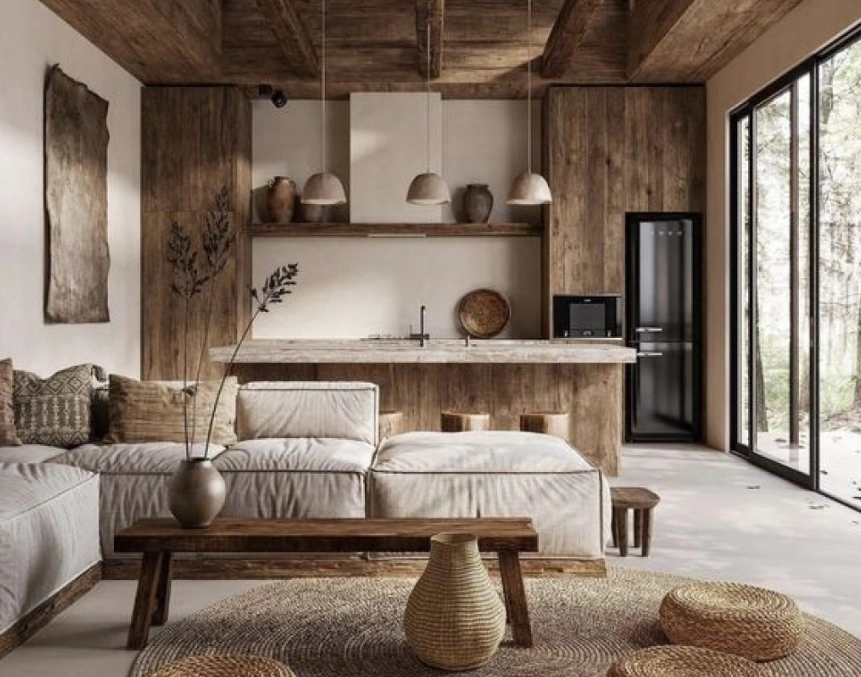
This approach isn’t just a trend; it’s a smart investment. Properties with green certifications often see higher resale values, appealing to buyers who value ethics alongside exclusivity. Take solar-integrated roofs or rainwater systems—they cut dependence on grids while enhancing curb appeal. Indoors, natural materials like reclaimed wood create warm, inviting rooms without harming forests. These homes prove that luxury can thrive responsibly, turning everyday routines into seamless blends of comfort and conservation.
For those eyeing a build or remodel, the payoff extends beyond finances. Families breathe cleaner air thanks to low-VOC finishes and advanced ventilation. Outdoor features, such as native plant gardens, foster biodiversity right in your backyard. It’s about crafting spaces that nurture both people and the environment. Whether you’re in a bustling city or serene countryside, these designs adapt, proving sustainability enhances rather than limits glamour.
Ready to explore? We’ll dive into key elements, real-world examples, and practical tips to help you envision your own eco-luxury haven. From energy systems to material picks, discover how to elevate your living without compromise.

Key Features That Define Sustainable Luxury
What sets these homes apart? Start with energy-efficient systems. Solar panels, geothermal heating, and smart thermostats slash utility costs by up to 50% in some cases. For instance, a Malibu estate uses solar and geothermal to power everything, attracting eco-conscious celebrities. These aren’t clunky add-ons—they integrate sleekly, like hidden panels on sloped roofs.
Materials play a starring role too. Reclaimed wood from old barns forms stunning floors or beams, adding character while reducing deforestation. Recycled glass turns into elegant countertops, and bamboo—fast-growing and durable—replaces traditional hardwoods. In Puerto Rico luxury properties, bamboo and recycled steel create resilient structures that withstand hurricanes better.
Water conservation rounds it out. Rainwater harvesting feeds irrigation and even indoor plumbing, paired with low-flow fixtures that don’t skimp on performance. One Sydney home, the Living Screen House, uses vertical gardens to naturally cool interiors, cutting AC needs.
These features aren’t just functional; they elevate the experience. Picture waking to sunlight filtered through energy-saving windows, or entertaining in a kitchen with induction cooktops that heat faster and safer. It’s luxury redefined—practical, beautiful, and kind to the earth.
Insert image of sustainable luxury home kitchen with energy-efficient appliances here.
Design Inspirations from Around the Globe
Draw from real builds for ideas. Brazil’s SysHaus in São Paulo assembles like Lego with modular, recycled components, minimizing waste. Its open layout maximizes natural light, blending indoor-outdoor living seamlessly.
In Australia, Melbourne’s Limestone House uses local stone for thermal mass, keeping interiors cool in summer and warm in winter. Native plants surround it, creating a habitat that boosts local wildlife.
Europe offers gems too. Mallorca eco-villas feature green roofs that insulate and absorb rainwater, while incorporating Mediterranean flair like terracotta accents from sustainable sources.
For urban settings, New York’s high-rises now include biophilic elements—living walls and atriums that improve air quality. A Los Angeles property combines rooftop gardens with smart tech, turning penthouses into green oases.
These examples show versatility. Whether coastal or city-bound, designs prioritize wellness: think yoga rooms with cork floors or spas using filtered greywater. Adapt them to your site—perhaps add wind turbines in windy areas for extra power.
Pros and Cons of Embracing Eco-Luxury Living
- Energy Savings and Resilience: Monthly bills drop significantly with renewables, and homes stay comfortable during outages—ideal for remote or storm-prone areas.
- Healthier Environments: Non-toxic materials and better ventilation reduce allergens, promoting well-being for families with kids or elders.
- Increased Property Value: Green certifications attract premium buyers, often boosting resale by 5-10% in competitive markets.
- Environmental Impact: Lower carbon footprints through efficient designs contribute to broader conservation efforts, like preserving local ecosystems.
- Upfront Costs: Initial investments in tech like solar can add 10-20% to build budgets, though rebates often offset this.
- Maintenance Needs: Systems such as geothermal require specialized upkeep, potentially increasing long-term service fees if not planned.
- Design Limitations: Sourcing rare sustainable materials might delay projects or restrict certain aesthetic choices in some regions.
Exploring Alternatives: How They Stack Up
Traditional luxury homes focus on grandeur with marble halls and expansive layouts, but they often guzzle energy. Pros include lower initial costs and familiar builds; cons are high ongoing expenses and larger environmental tolls compared to sustainable options.
Affordable eco-homes, like modular prefabs, emphasize green tech on a budget. They excel in efficiency but lack the bespoke finishes and space of luxury versions—think basic solar without integrated smart systems. Great for starters, yet they fall short on opulence.
Is It Worth the Investment?
Absolutely, if aligned with your values. These homes deliver lasting savings, superior comfort, and a legacy of responsibility. Start small: consult architects specializing in green luxury for tailored plans. Weigh costs against benefits—many see returns in under a decade through efficiencies. Ultimately, it’s about living richly while safeguarding tomorrow.
FAQ
How do sustainable luxury homes handle extreme weather? They incorporate resilient materials like recycled steel and advanced insulation, often outperforming standard builds in storms or heatwaves, with features like elevated designs for flood-prone areas.
Can I retrofit an existing luxury home for sustainability? Yes, add solar panels or upgrade to energy-efficient HVAC without full rebuilds. Focus on high-impact changes like window replacements for quick ROI.
What role does smart tech play in these homes? It optimizes energy use, from automated shades to AI-monitored water systems, ensuring efficiency without manual effort—perfect for busy lifestyles.
Are there tax incentives for building sustainable luxury properties? Many regions offer credits for renewables and green certifications, reducing net costs significantly; check local programs for details.