Smart cities blend cutting-edge technology with urban living. They draw high-net-worth individuals seeking properties that offer more than opulence—think seamless IoT integrations, sustainable designs, and data-driven amenities. For investors, these hubs promise strong returns amid global shifts toward eco-friendly and efficient lifestyles.
Investing here means tapping into markets where property values rise with innovation. Cities like Singapore and Dubai lead, combining AI-managed infrastructure with exclusive residences. Buyers gain access to homes with smart security, energy systems, and proximity to tech ecosystems. This setup boosts rental yields and resale potential.
Consider the appeal: ultra-wealthy clients prioritize locations that enhance quality of life. Smart features reduce maintenance costs while increasing desirability. In 2025, with economic recovery in play, these investments hedge against volatility. Data shows luxury segments in top smart cities outperforming traditional markets by up to 10% in growth.
Yet, success hinges on understanding local dynamics. Regulations, tax incentives, and infrastructure projects shape opportunities. For instance, Zurich’s stable economy supports premium lakefront villas, while New York’s vibrant scene fuels high-rise demand.
This guide highlights five standout cities based on recent rankings and market trends. Each offers unique advantages for luxury portfolios. Whether you’re diversifying assets or entering the market, these picks provide actionable insights. Expect tips on entry points, risks, and strategies to maximize gains.

Why Smart Cities Attract Luxury Real Estate Investors
Smart cities redefine urban investment by embedding technology into daily life. Features like automated traffic, renewable energy grids, and predictive maintenance elevate property values. Investors see this as a pathway to long-term appreciation.
In 2025, these locations benefit from global wealth migration. High earners flock to places offering privacy, connectivity, and sustainability. For luxury real estate, this translates to demand for penthouses with voice-controlled environments or eco-certified estates.
Take the IMD Smart City Index: it ranks cities on factors like mobility and governance. Zurich tops the list, blending Swiss precision with digital tools. Such rankings guide where capital flows.
Practically, smart infrastructure cuts operational costs. Properties with solar integrations or AI utilities appeal to tenants, yielding 5-8% returns in prime areas. Tips: Focus on districts with upcoming 5G rollouts or green certifications. Research visa programs that attract international buyers. Avoid overleveraging in volatile currencies.
Diversification matters too. Mixing residential with commercial spaces in smart hubs spreads risk. Overall, these cities foster ecosystems where luxury thrives on innovation, not just location.
Spotlight on Leading Cities
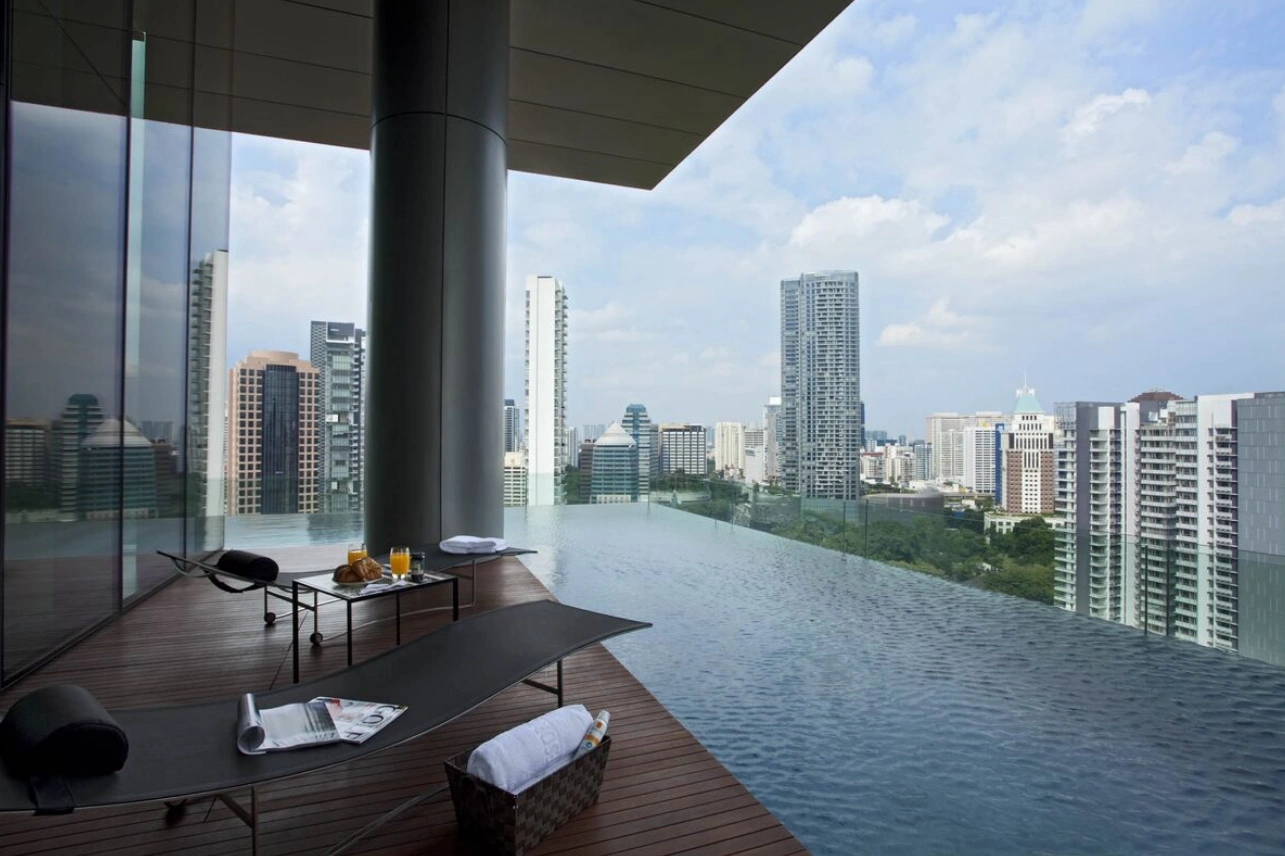
Singapore: Asia’s Tech-Savvy Luxury Frontier
Singapore stands out for its seamless fusion of smart governance and high-end living. Ranked highly for accessibility in smart indices, it uses data analytics for urban planning. Luxury markets here recover strongly, with H1 2025 sales up 155%.
Properties in Orchard Road or Marina Bay feature biometric access and sustainable designs. Investors eye new condo launches integrating smart homes, transforming the scene. Prices are set to rise 3-4%, driven by low inventory.
Example: A penthouse with AI climate control yields premium rents from expats. Tips include leveraging freehold status for stability. Challenges? Strict foreign ownership rules require careful navigation. Yet, resilience amid volatility makes it a top choice.
Dubai: Innovation Meets Extravagance
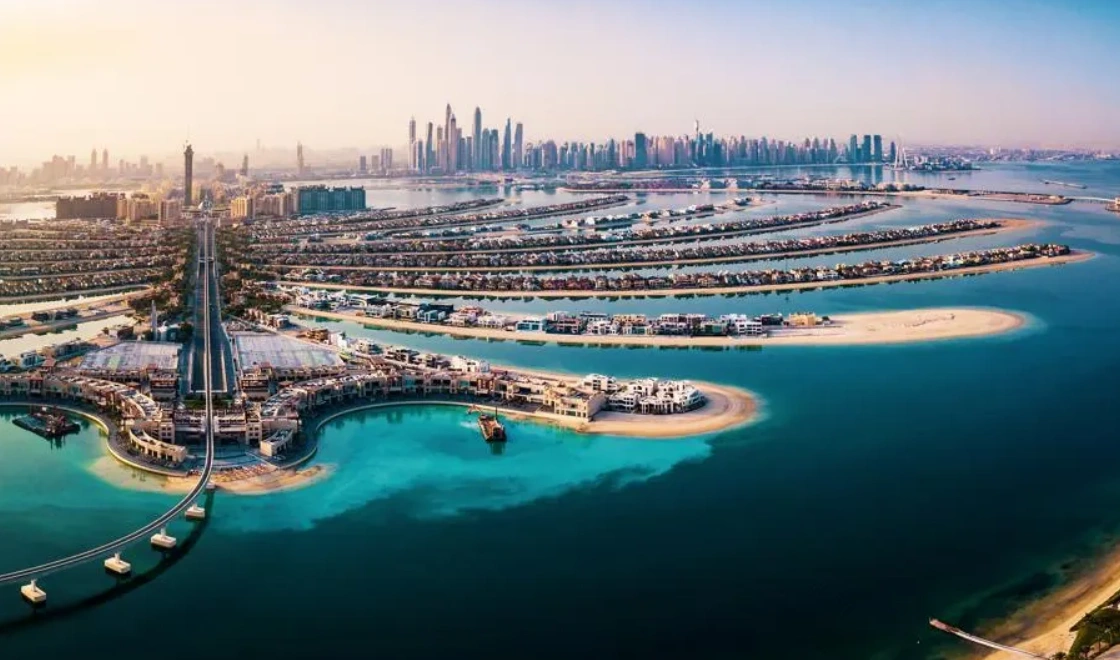
Dubai’s smart initiatives, like blockchain in governance, propel its luxury sector. It ranks in top smart lists for sustainability efforts. Q3 2025 saw 103 ultra-prime sales over $10 million.
Palm Jumeirah villas boast drone delivery pads and solar tech. Growth forecasts hit 8-10%, fueled by masterplans. Insight: Tax-free status attracts global buyers, boosting flips.
Practical advice: Target branded residences for quick appreciation. Watch for oversupply in mid-tier, but luxury remains robust.
New York: Urban Pulse with Smart Edge
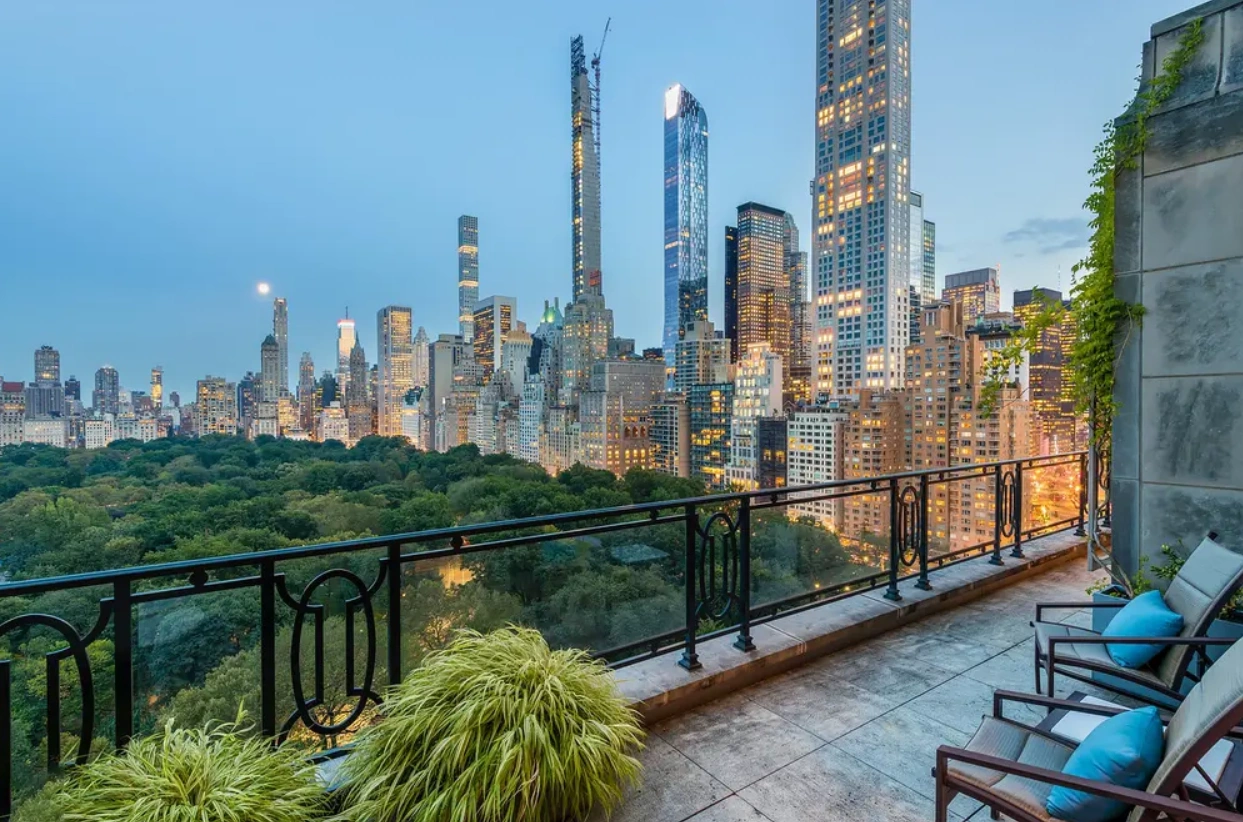
New York’s smart upgrades, from sensor networks to green buildings, enhance its luxury appeal. It features in top 10 smart rankings. Manhattan’s market booms, with Q3 sales up 13.6%.
Hudson Yards condos offer app-controlled amenities. June 2025 closed 153 deals over $4 million. Tip: Invest in wellness-focused towers for millennial wealth.
Inventory dips 11% quarterly, signaling tight supply. Navigate high taxes with LLC structures.
London: Historic Charm, Modern Tech
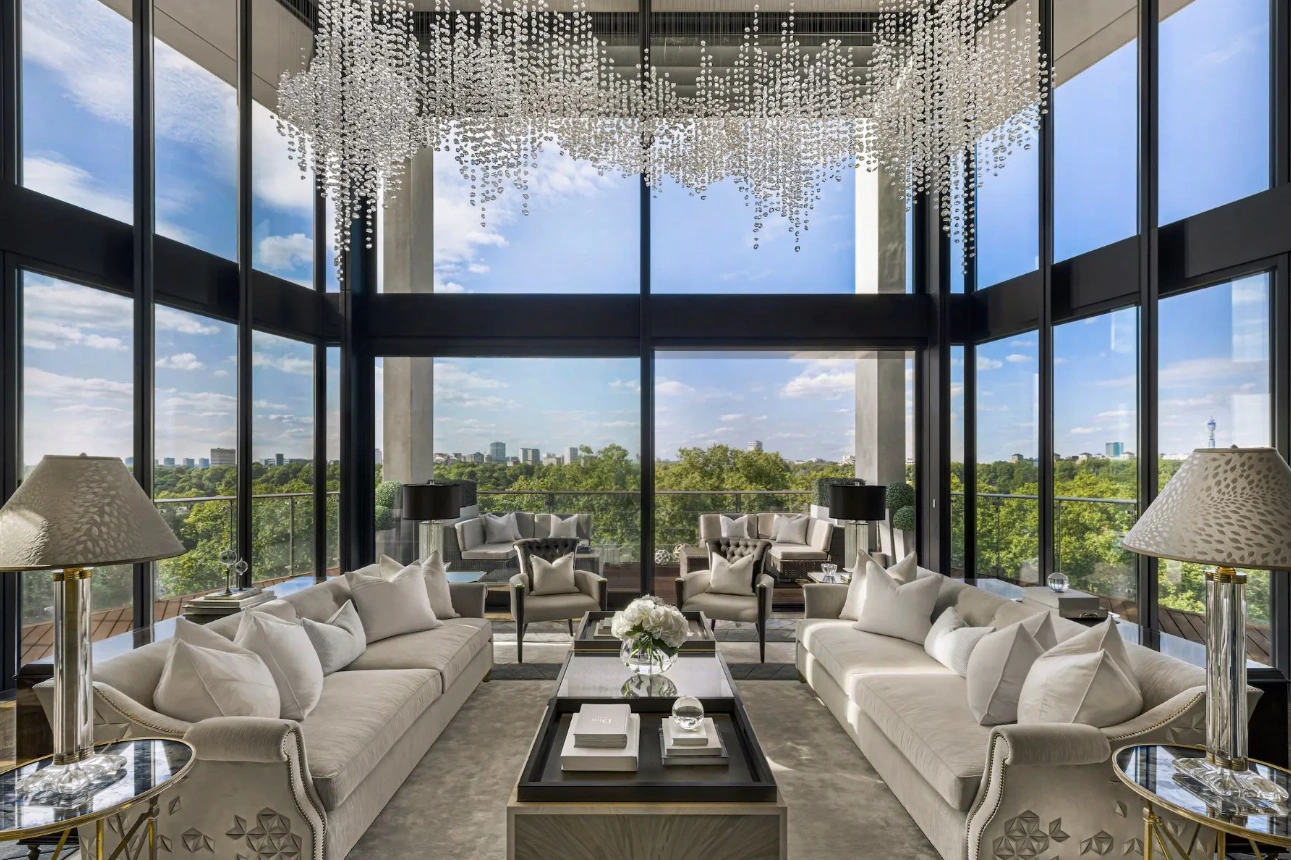
London integrates smart tech in transport and energy, securing top smart spots. Prime prices rose 7.4% in Q2 2025.
Knightsbridge mansions feature EV charging and smart grids. Americans drive demand, with $1M buying 34 sqm. Strategy: Focus on regenerated areas like Canary Wharf.
Deals dipped 31.7% in July, but transformation persists. Balance with currency hedges.
Zurich: Stable Haven for Premium Assets
Zurich leads global smart rankings with efficient systems. Luxury prices climb, with apartments up 4.42%.
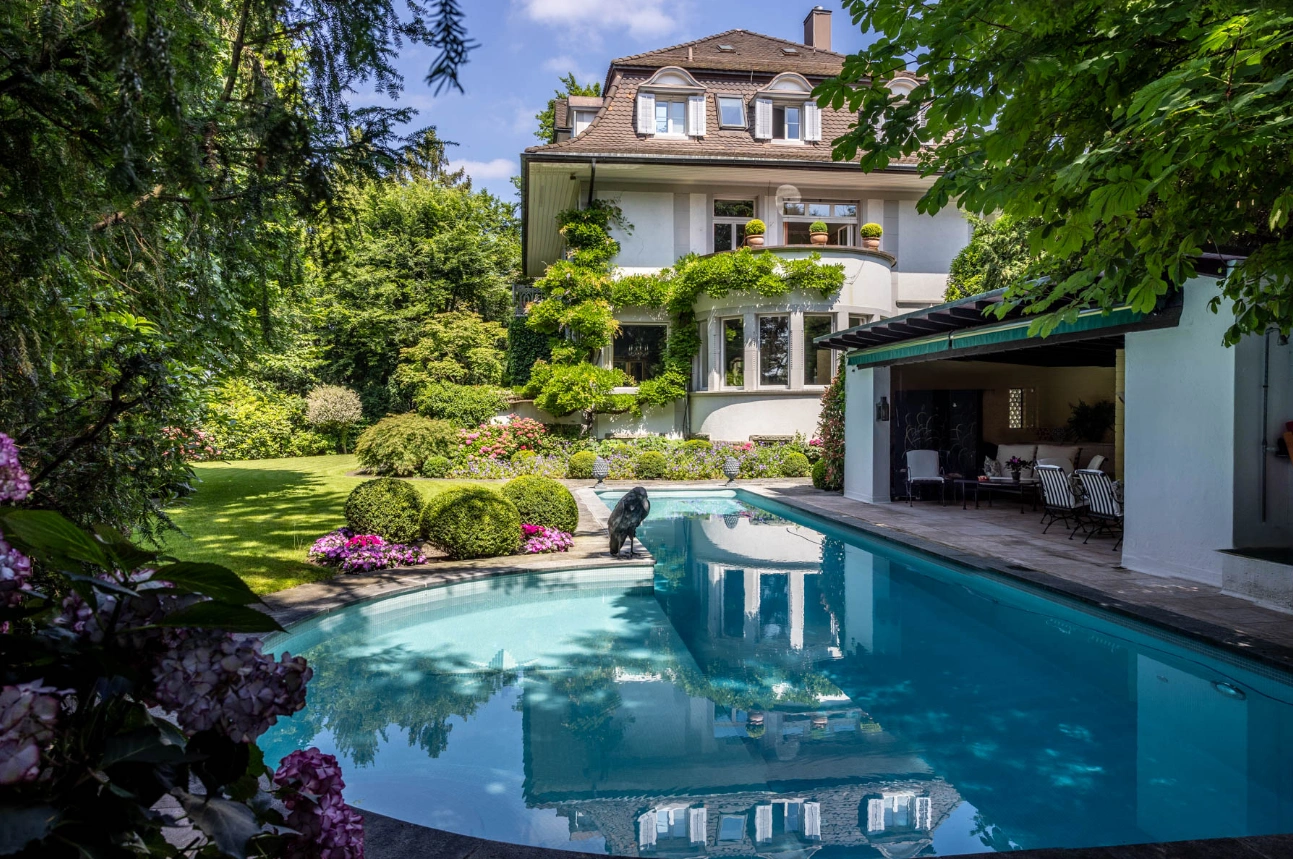
Lake Zurich estates include geothermal heating. Bubble risks noted, but stability draws investors. Tip: Opt for heritage properties with modern retrofits.
Market favors privacy-seeking buyers.
Pros and Cons of Investing in Smart City Luxury Real Estate
- Pros:
- Enhanced property values through tech integrations, leading to higher rents.
- Attracts affluent tenants with sustainable features, ensuring steady demand.
- Government incentives like tax breaks for green builds boost ROI.
- Diversified economy reduces market slumps.
- Cons:
- High entry costs in prime districts limit accessibility.
- Regulatory changes, such as data privacy laws, add complexity.
- Potential overvaluation in bubbles, like Zurich’s noted risks.
- Infrastructure upgrades may cause short-term disruptions.
Alternatives and Quick Comparisons
Monaco offers tax advantages but lacks smart tech depth compared to Singapore’s innovations—yielding lower long-term growth.
Miami provides vibrant luxury but misses Dubai’s scale in ultra-prime sales; it’s more volatile without smart city backing.
Is It Worth Diving In?
These smart cities deliver solid opportunities for luxury real estate gains in 2025. Prioritize Singapore or Dubai for aggressive growth, or Zurich for stability. Assess your risk tolerance and consult locals. Act now to capture rising values.
FAQ
How do smart city features specifically increase luxury property resale value? They add premium amenities like AI security, often boosting prices by 15-20% over standard homes.
What unique tax considerations apply to foreign investors in Dubai’s luxury market? No property taxes exist, but service fees apply—making it more favorable than London’s stamp duties.
Can Zurich’s bubble risk deter luxury investments, or is it overstated? It’s a caution, but strong fundamentals like low unemployment mitigate it for diversified portfolios.
What’s the best entry strategy for New York’s competitive luxury scene? Partner with brokers for off-market deals, focusing on emerging smart districts.