Owning commercial real estate opens paths to stronger returns. By adding value, you attract better tenants, command higher rents, and see resale prices climb. Imagine transforming a dated office into a sought-after hub—rents could rise 15-20%, per market trends. This isn’t just about aesthetics; it’s smart business. Upgrades like energy-efficient systems cut costs long-term, while amenities draw premium leases.
For investors, these moves build equity fast. A warehouse repurposed for mixed-use might yield double the original income. Focus on high-impact changes that align with tenant needs, like flexible spaces for hybrid work. Risks include upfront spends, but rebates often offset them. Research shows properties with green features sell quicker in competitive areas.
Start simple: Assess your asset’s strengths. Is the location prime but interiors outdated? Target fixes there. Or, if vacancies linger, add perks like gyms. Real examples abound—a Chicago strip mall added EV chargers, boosting foot traffic 25%. These tactics work across retail, offices, or industrial sites.
Value-add strategies suit hands-on owners. They turn underperformers into stars, padding your portfolio against downturns. With vacancy rates fluctuating, proactive steps keep cash flowing. Pair with solid management for sustained gains.
Dive deeper: We’ll outline seven key methods, backed by practical tips. Whether flipping or holding, these elevate your holdings. Expect measurable lifts in net operating income and appeal.
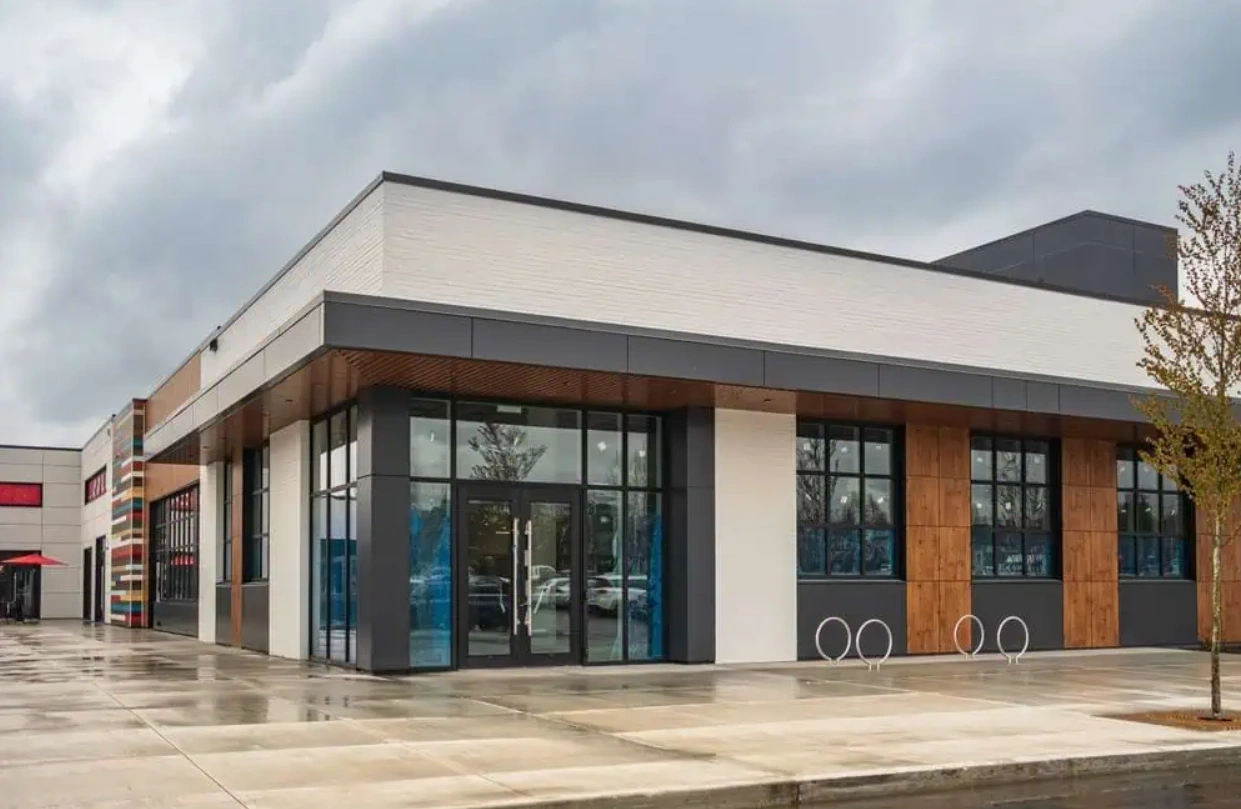
Insert image of a modern renovated commercial building here.
Physical Upgrades That Drive Appreciation
Start with renovations. Update facades, lobbies, and common areas to refresh appeal. A fresh coat of paint or modern lighting can transform perceptions. In one Boston project, lobby overhauls increased occupancy from 70% to 95% within a year.
Energy efficiency follows. Install LED lights, efficient HVAC, or solar panels. These slash utility bills—up to 30% savings—and qualify for incentives. A California office added insulation and smart thermostats, cutting energy use while appealing to eco-focused firms.
Curb appeal matters too. Landscaping, signage, and parking improvements draw eyes. Simple fixes like repaving lots enhance safety and first impressions. Tip: Use native plants for low-maintenance greenery that boosts biodiversity.
These upgrades aren’t cheap, but ROI shines through higher valuations. Appraisers factor them in, often adding thousands per square foot. For industrial spaces, add loading docks for better functionality.
Operational Enhancements for Better Cash Flow
Optimize leases. Raise rents strategically after improvements, or offer flexible terms like short leases for startups. This minimizes vacancies. A New York retail center switched to percentage rents, aligning with tenant sales for mutual wins.
Cut expenses. Audit utilities, negotiate vendor contracts, or automate systems. Property management software tracks maintenance, preventing costly repairs. Insight: Energy audits reveal hidden leaks, saving thousands yearly.
Add amenities. Think rooftop gardens, fitness centers, or co-working zones. These differentiate your property. In Seattle, a building with bike storage and showers attracted tech tenants, lifting rents 10%. Practical tip: Survey prospects on desired features to prioritize.
These steps boost net income directly. Higher NOI means stronger valuations via the income approach. For multi-tenant sites, diversify mixes to spread risk.
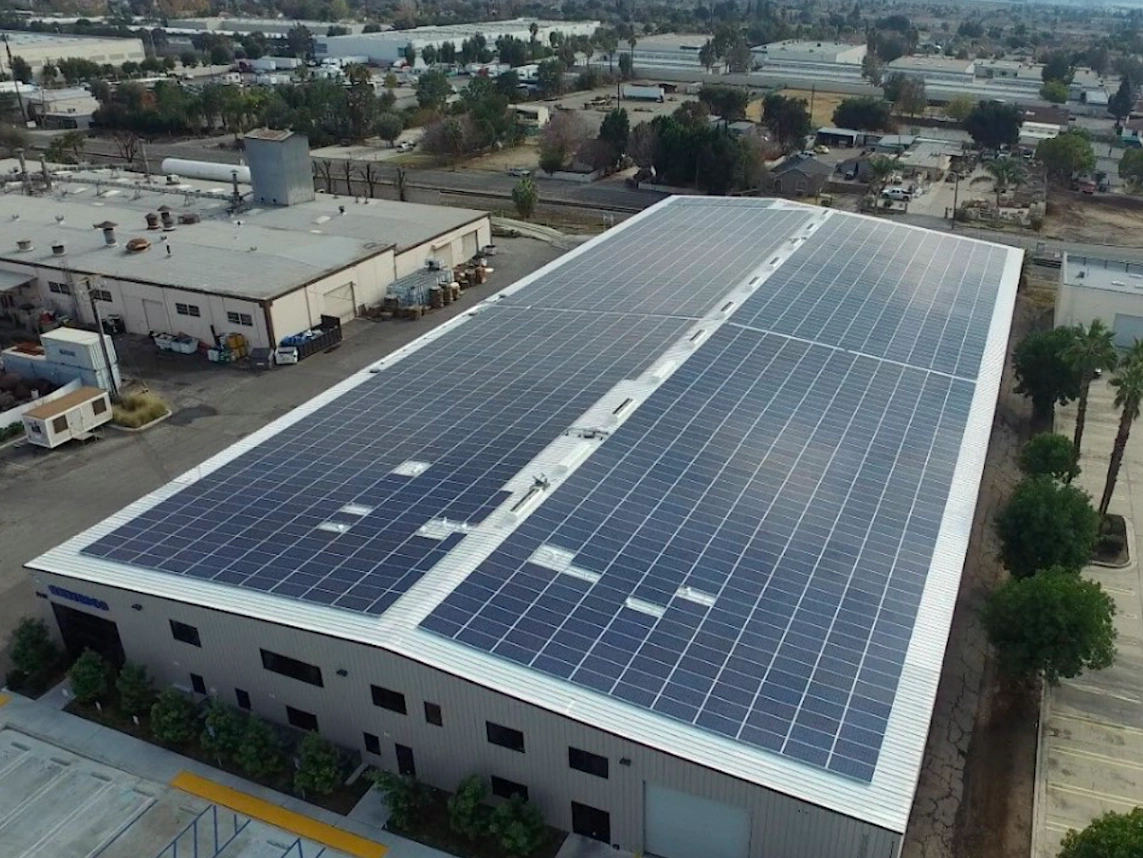
Insert image of energy efficient commercial property with solar panels here.
Adaptive Strategies for Market Edge
Repurpose spaces. Convert warehouses to offices or add retail to industrial sites. A Detroit factory became lofts and shops, tripling value. Check zoning first—multi-use allows versatility.
Leverage tech. Smart security or IoT for climate control adds appeal. Tenants value data-driven efficiencies.
Position for trends. In post-pandemic shifts, flexible layouts win. Tip: Partner with brokers for market insights, ensuring adaptations align with demand.
These methods future-proof assets. They turn average properties into premium ones, commanding top dollar.
Pros and Cons of Value-Add Approaches
- Higher Rental Yields: Strategic upgrades like amenities can increase rents by 10-20%, as seen in renovated offices attracting premium tenants.
- Appreciation Boost: Energy improvements often lead to 5-15% value jumps through lower ops costs and green certifications.
- Tenant Retention: Features like flexible spaces reduce turnover, stabilizing income in volatile markets.
- Tax Incentives: Rebates for efficiency upgrades offset initial outlays, enhancing net returns.
- Upfront Capital Needs: Renovations might cost 10-30% of property value, delaying profits if financing is tight.
- Market Risks: Over-improving in slow areas could yield low ROI, especially with economic shifts.
- Management Overhead: Repurposing requires expertise, potentially adding fees for pros.
- Downtime During Work: Construction might cause temporary vacancies, impacting short-term cash flow.
Alternatives: Core vs. Opportunistic Investing
Core properties offer stability with minimal changes, like prime offices in steady markets. Pros: Lower risk, consistent income; cons: Slower growth compared to value-add’s potential 15-25% returns.
Opportunistic deals involve high-risk rehabs, such as distressed assets. Pros: Massive upside, like 30%+ gains; cons: Greater volatility and capital demands versus balanced value-add tactics.
Is It Worth the Investment?
Yes, for growth-minded owners. These ways deliver equity builds and income hikes, summing up resilient assets. Begin with assessments—hire appraisers for baselines. Prioritize high-ROI fixes like efficiency tweaks. The value: Stronger portfolios in any market.
FAQ
How do zoning changes impact value-add repurposing? They enable mixed uses, like adding retail to offices, often lifting values 20% by broadening tenant appeal.
What metrics track value-add success? Monitor NOI growth and cap rates; targets like 8% yields signal strong returns from upgrades.
Can small investors tackle these strategies? Absolutely; start with cosmetic updates or partnerships, gaining 10-15% boosts without massive capital.
How does sustainability influence tenant choices? Green features attract 70% more eco-conscious firms, reducing vacancies and enhancing long-term value.