Selling your home to a cash buyer simplifies the final stages dramatically. Unlike traditional sales bogged down by lender approvals, this path offers speed and certainty. You’ll often close in 7-14 days, avoiding appraisal delays or financing fall-throughs. This means less stress for urgent situations like relocations or financial pressures. Expect to walk away with funds quickly—typically within 24-48 hours post-signing—freeing you to focus on your next chapter without lingering costs like utilities or taxes.
Cash buyers, often investors or companies, handle much of the legwork. They verify funds upfront, ensuring reliability. The process centers on clear title transfer and payment, with fewer contingencies. Sellers appreciate the as-is nature; no repairs mandated, just disclose issues honestly to prevent hitches.
Timelines vary by state, but basics hold: After accepting an offer, escrow opens if used, followed by title searches and inspections (optional for buyers). On closing day, sign deeds and disclosures, then receive your payout via wire or check. In California, for instance, it might wrap in a week with minimal steps.
Costs stay low—buyers may cover fees, saving you thousands. If you have a mortgage, proceeds pay it off directly. Research shows cash deals fail under 5% of the time, versus 20% for financed ones. Prepare by gathering IDs, deeds, and payoff statements early.
This guide breaks it down, drawing from real estate practices to equip you for a smooth handover.
Insert image of a closing table with documents and keys here.
Whether facing foreclosure or simplifying inheritance, understanding closing empowers better decisions.
Pre-Closing Preparations: Setting the Stage for a Smooth Handover

Once you accept a cash offer, momentum builds quickly. Buyers provide proof of funds—bank statements or letters—confirming their ability to pay. This step weeds out flakes and builds trust.
Title searches follow, often handled by a company to ensure no liens or disputes cloud ownership. Costs range $200-500, sometimes covered by the buyer. If issues arise, like unpaid taxes, resolve them pre-closing to avoid delays.
Escrow might open, where a neutral third party holds funds until conditions met. Not always required in cash deals, but it adds security. Deposit earnest money—1-3% of price—into escrow as commitment.
Inspections and appraisals are optional; many cash buyers waive them for speed. If requested, schedule promptly. Sellers disclose known defects via forms to comply legally.
Gather docs: Photo ID, property deed, mortgage payoff statement if applicable, and keys. In one Texas case, prepping these shaved days off, closing in 10 days total.
Coordinate with a title agent or attorney for paperwork review. This phase, lasting 3-7 days, ensures everything aligns. Tip: Communicate openly with your buyer to flag potential snags early, keeping the process on track.
The Closing Day: What to Expect Step by Step
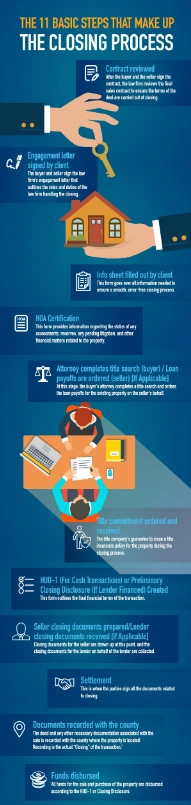
Closing day arrives swiftly in cash sales. Meet at a title office, attorney’s space, or even remotely via e-signing. Parties include you, the buyer, agents, and a closer.
Start with a final walkthrough—buyer confirms the home’s condition matches expectations. No surprises here, as as-is terms prevail.
Review and sign documents: The deed transfers ownership, affidavits confirm no liens, and settlement statements detail costs. If mortgaged, a payoff form directs funds to your lender.
The buyer wires payment or brings a cashier’s check. Escrow disburses: Pay off debts, then net proceeds to you. Signatures take 30-60 minutes.
Keys and possession hand over immediately or per agreement—some allow post-close stays. Record the deed with the county for official transfer.
A Florida seller noted the brevity: “Signed, paid, done in under an hour.” No lender docs streamline it. Bring ID and any required forms. If virtual, ensure secure platforms.
This culminates the sale, with certainty absent in financed deals. Delays are rare, but title glitches could push it back a day.
Post-Closing: Receiving Funds and Wrapping Up
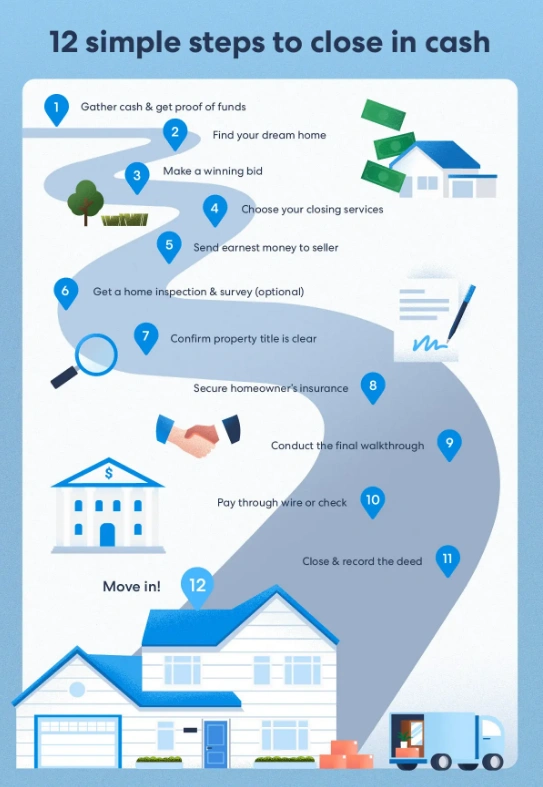
After signing, funds disburse quickly. Wire transfers hit your account in hours; checks might take 1-2 days to clear. Sellers often receive 24-48 hours post-close, depending on method.
If mortgaged, proceeds settle the loan first—buyers like Grandview handle this directly. Remaining funds go to you, minus fees.
Update utilities and insurance—cancel policies effective closing date to avoid overpayments. Notify the IRS if gains exceed exemptions; consult tax pros for reporting.
Deed recording finalizes public record, taking days in some counties. Buyers handle this usually.
In urgent sales, like avoiding foreclosure, this phase provides relief. One Indiana example: Funds wired same day, halting proceedings.
Monitor your account and confirm all payouts. Retain copies of docs for records. This wrap-up ensures clean breaks, letting you move forward unencumbered.
Pros and Cons of Closing with Cash Buyers
- Pros:
- Closes in 7-14 days, perfect for time-sensitive situations like relocations.
- Fewer documents and no lender involvement reduce complexity and errors.
- High reliability—deals rarely fall through without financing contingencies.
- Buyers often cover closing costs, saving sellers 2-3% on fees.
- Cons:
- Limited time to review docs, risking oversights in rushed processes.
- Potential for lower net proceeds if offers discount for speed.
- Virtual closings might feel impersonal, lacking face-to-face reassurance.
- State variations could add unexpected steps, like mandatory escrow.
Alternatives and Quick Comparisons
Traditional financed closings involve more parties—lenders, appraisers—extending to 30-60 days with higher fall-through risks, but potentially higher sale prices versus cash’s speed.
Selling via auction accelerates like cash but invites bidding wars, yielding variable prices and fees, unlike cash’s predictable offers.
Cash suits urgency; financed maximizes value if patient.
Final Thoughts and Key Takeaways
Closing with cash buyers boils down to efficiency and ease. Prep docs early, understand fees, and verify buyers for seamless experiences. This route excels when speed trumps top dollar.
Consult a real estate attorney beforehand. Get multiple offers to compare. You’ll gain certainty and quick funds, streamlining your transition.
FAQ
How does escrow differ in cash closings? It’s optional but adds protection; funds hold until title clears, ensuring secure transfers without lender delays.
What if title issues emerge mid-closing? Buyers often resolve them, but delays of 1-3 days occur—proactive searches minimize this for faster resolutions.
Can I stay in the home post-closing? Yes, negotiate short-term leases; many cash buyers allow 1-7 days free, easing moves.
Do cash closings affect tax reporting? Gains report similarly, but quick sales enable timely reinvestments, potentially deferring via 1031 exchanges.